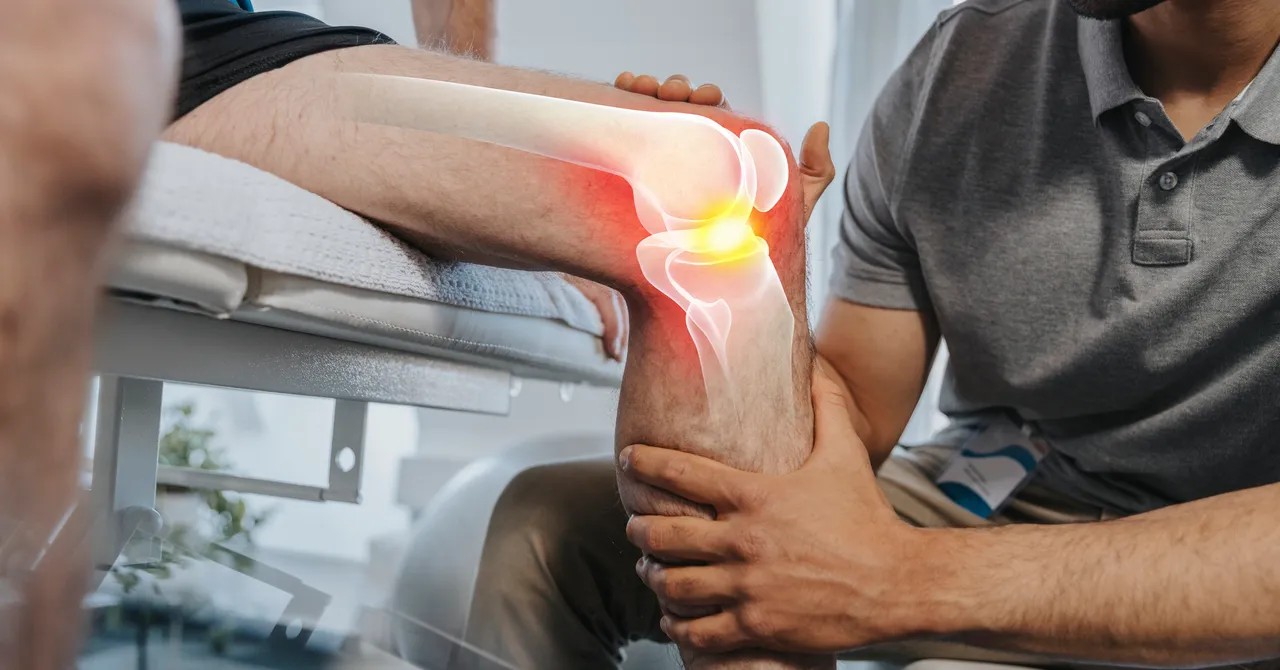
Osteoarthritis is a relentless condition. It is the reason a former athlete retires early due to hip pain, why a grandmother struggles to lift her arm, and why millions of people eventually face knee replacement surgery. Affecting one in six people over the age of 30, this “wear and tear” disease currently has no cure. Patients are left with a stark choice: endure chronic pain or undergo massive, expensive surgery to replace the joint.
However, a new wave of optimism is emerging from the United States. The Advanced Research Projects Agency for Health (ARPA-H), part of the US Department of Health and Human Services, has launched NITRO (Novel Innovations for Tissue Regeneration in Osteoarthritis). This initiative is funding breakthrough research aimed not just at managing symptoms, but at eradicating the disease entirely.
Leading this charge is a multidisciplinary team at the University of Colorado Boulder, which has secured a $33.5 million grant to develop an experimental therapy. The goal is ambitious yet clear: reverse joint damage in a matter of weeks through a simple injection.
The Problem: A Broken System
To understand the significance of this research, it is necessary to look at what osteoarthritis actually does. It is characterized by the progressive degradation of cartilage, the slippery tissue that cushions bones and allows joints to move smoothly. As cartilage wears away, bones rub against each other, causing:
- Chronic pain and inflammation
- Joint deformation
- Loss of mobility
With approximately 240 million people worldwide suffering from this condition, it is the most common form of arthritis in the US. Currently, medical options are limited. As Evalina Burger, professor and chair of the Department of Orthopaedics at CU Anschutz, notes:
“At the moment, the options for many patients are either a massive, expensive surgery or nothing. There’s not a lot in between.”
The Solution: Harnessing Natural Regeneration
The Colorado team, led by biomedical engineer Stephanie Bryant, is proposing a radical shift in treatment philosophy. Instead of relying on artificial implants or painkillers, their approach focuses on regeneration.
“Our goal is not just to treat pain and halt progression, but to end this disease,” Bryant stated.
The research centers on two primary strategies, both designed to transform the diseased joint into an environment where the body can heal itself:
1. Controlled Drug Delivery for Early-Stage Cases
For less advanced osteoarthritis, the team has developed a particle system that acts as a vehicle for an already approved drug.
* How it works: A single injection introduces these particles into the joint.
* The mechanism: The particles release small doses of the drug over several months.
* The result: This sustained release stimulates the body’s natural repair processes without requiring repeated injections.
2. Biomaterial Scaffolds for Advanced Damage
For severe cases where cartilage is significantly degraded, the team is developing a kit of biomaterials and proteins.
* How it works: Applied through minimally invasive procedures, these materials solidify inside the joint.
* The mechanism: The solidified material acts as a scaffold.
* The result: This scaffold attracts the body’s own progenitor cells, which then fill in and regenerate the damaged areas of cartilage or bone.
Promising Results, But Caution Remains
Early data suggests this approach could be a game-changer. In animal studies, treated joints returned to a healthy state within four to eight weeks. In cases of severe injury, researchers observed complete regeneration of the damaged tissue.
Bryant highlighted the speed of progress: “In two years, we were able to go from a moonshot idea to developing these therapies to demonstrating that they reverse osteoarthritis in animals.”
Furthermore, experiments using human cells from patients undergoing joint replacement showed clear regenerative effects, indicating that the therapy could potentially translate to human patients.
The Road Ahead
Despite the excitement, it is crucial to temper expectations. These results have not yet been validated in human clinical trials.
The immediate next steps for the University of Colorado team include:
1. Publishing their findings in an academic journal later this year.
2. Expanding animal studies to rigorously test for toxicity and safety.
3. Leveraging Renovare Therapeutics, a startup founded by the researchers, to manage commercialization.
If safety and efficacy are confirmed in these upcoming phases, human clinical trials could begin in approximately 18 months.
Conclusion
While osteoarthritis has long been viewed as an inevitable consequence of aging and wear, this new research challenges that narrative. By shifting the focus from pain management to tissue regeneration, scientists are moving closer to a future where joint damage can be reversed with a single injection.