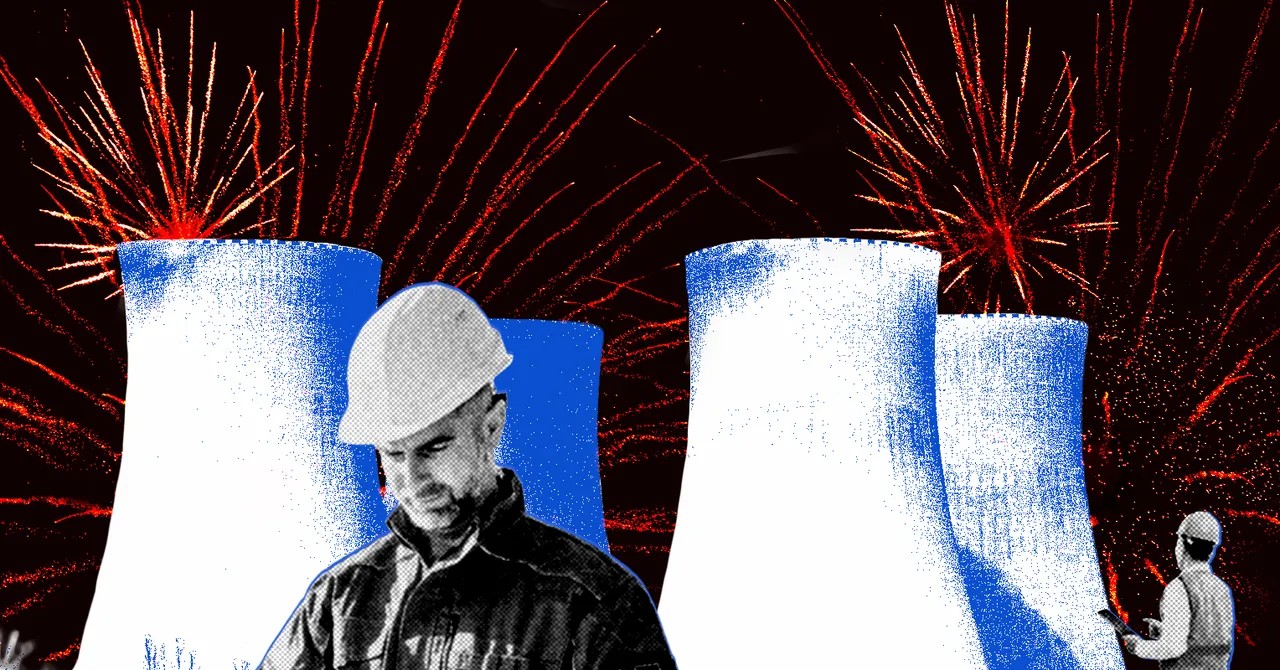
It was supposed to be fireworks. Instead, it’s nuclear fire. Three startups hit a massive milestone right as the calendar turned to July 4th. They turned on their reactors. The Department of Energy is calling it a pilot program, Energy Secretary Chris Wright wants to call it a “nuclear renaissance.”
Which name you prefer probably doesn’t matter right now.
The milestone itself? Reaching criticality. That’s the moment a reactor sustains its own chain reaction. It’s the spark before the power. A deadline set by an executive order last year under Donald Trump pushed them here, aiming for the country’s 250-th birthday. It was classic timing. Aggressive. Meant to show that America moves fast if you tell it to.
But is it enough?
The Hype vs. The Heat
Let’s get straight to it. Adam Stein at the Breakthrough Institute calls it “everything and nothing.” Harsh? Maybe. Accurate? Yes. These aren’t power plants yet. They are prototypes. Test reactors sitting in labs. They don’t sell electricity. They don’t feed a grid. They prove that the physics still work.
That might sound underwhelming until you remember the history. For decades, the industry felt stuck. A new reactor was always ten years away. Always delayed. Always expensive. This pilot program breaks that narrative. It shows investors that movement is possible.
“It changes the narrative, and changes the perception. That means a lot for the investment community.”
Silicon Valley is listening. Tech figures see small modular reactors as the missing piece for carbon-free data centers. 24-7 clean energy. The golden age of tech needs a power backbone. The administration listened, slashing regulations to clear the path. Environmental impact statements? Shortened. Safety hurdles? Reduced.
Speed was the priority.
Help From Uncle Sam
These startups didn’t do it alone. The government held their hands, quite literally. Federal national labs provided fuel, components, and real estate.
Valar Atomics went critical last year at Los Alamos. The lab supplied the core parts. Antares Nuclear and Deploy Energy joined them, both meeting that July 4-th target on lab campuses.
Matt Loszak at Aalo Atomics says the bureaucracy died overnight. He jokes about signatures sitting on desks for weeks before. Now? It’s done. Done by next day because it’s a “national priority.”
So… Any Electricity?
Here’s the rub. Reaching criticality isn’t the finish line. It’s barely past the start.
Most of these test rigs don’t even generate power. Aalo’s machine is missing the sodium needed for its commercial design. It can’t light a lamp yet. Valar managed a tiny win on Thursday—powering an Nvidia chip briefly—but that’s a demo, not a plant.
Proof of concept in a controlled lab is neat. It happens on college campuses all the time. It doesn’t mean the tech is ready for the dirty, expensive world of commercial deployment.
The Road Ahead
There are still mountains to climb.
The Nuclear Regulatory Commission has to license the commercial versions. That process takes years. Wright claims it’s going to be fast now. Let’s see.
Supply chains are another trap. Fuel sources are shaky. Veriten’s Brett Rampal warns people not to get too carried away. Yes, 2026 saw new tech go critical. It’s amazing. But he looks at the historical ledger of nuclear plants built in America.
They were always over budget. Always over time.
Rampal suspects the current excitement ignores financial gravity. Plants remain expensive beasts. They take forever to build. The romance of the “new golden age” clashes with the spreadsheet of reality.
Maybe it will work. Maybe the speed bumps will disappear. Or maybe we’ll just have three more fancy gadgets that prove we could do this.