The dark web marketplace Incognito, shuttered in 2024 after facilitating over $100 million in narcotics sales, was not merely monitored by law enforcement; it was actively operated with the help of an FBI informant. This revelation surfaced during the sentencing hearing of Lin Rui-Siang, the site’s convicted administrator, who received a 30-year prison sentence. The informant, described as a “confidential human source,” held moderator privileges and allegedly permitted the sale of fentanyl-laced drugs despite market rules banning them.
This case isn’t just about a dark web drug dealer. It highlights how undercover operations can unintentionally perpetuate harm when oversight fails. The FBI’s role raises questions about the ethics of allowing an illegal marketplace to function under surveillance, especially when lives are at risk.
The Case of Reed Churchill and Incognito’s Fentanyl Pills
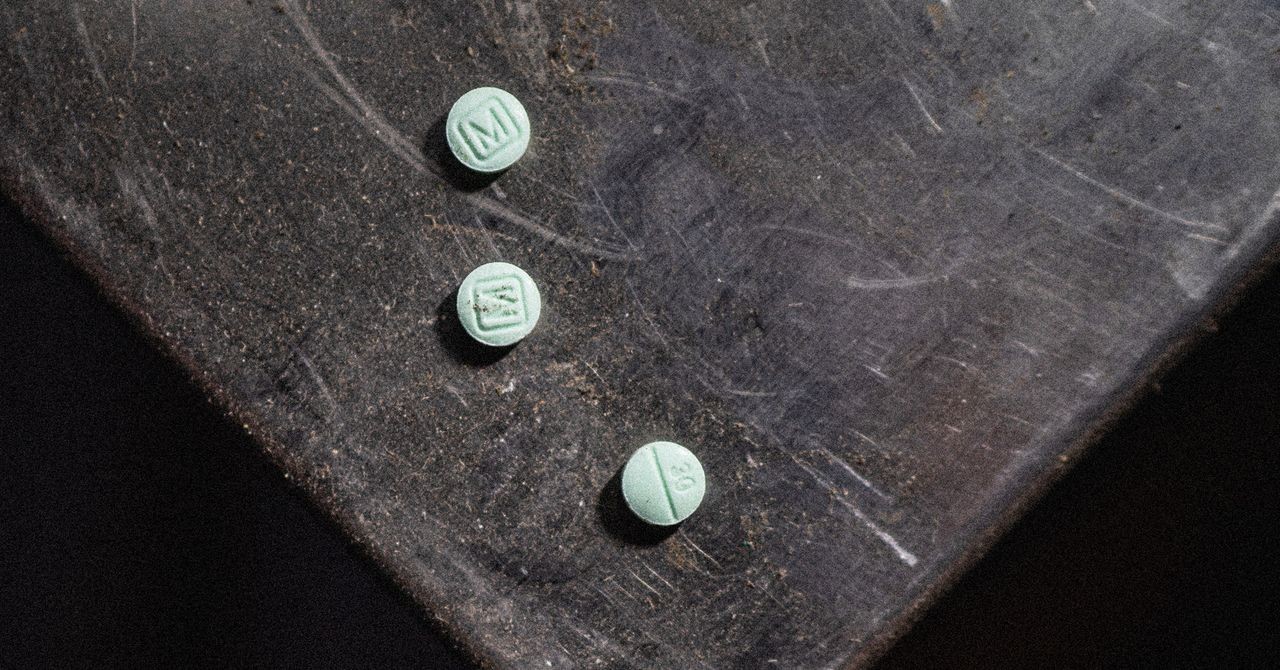
David Churchill, whose 27-year-old son Reed died after taking fentanyl-laced pills purchased through Incognito, testified at Lin’s sentencing. He described finding his son “cold and dead and stiff.” The pills, marketed as oxycodone, were among the thousands of pounds of illegal drugs sold on the platform. What Churchill didn’t know until after the sentencing was that the very site that killed his son was, in part, run by the FBI.
The defense argued that the informant wasn’t merely observing; they were an active partner, making decisions about which vendors stayed online and which were removed. Lin himself claims the informant controlled “95 percent” of the site’s transactions. While prosecutors insist the informant acted under Lin’s orders, the defense presented evidence suggesting the opposite: the informant made decisions that allowed fentanyl sales to continue, even after warnings of tainted products.
The Informant’s Actions: Warnings Ignored
Records show that in November 2023, an Incognito user reported a dealer selling fentanyl-laced pills that hospitalized his mother. The informant refunded the transaction but took no further action against the vendor. A month later, another user reported nearly dying from the same dealer’s products, yet the informant again allowed sales to continue for months.
Incognito even had a system for flagging potential fentanyl listings, but the informant allegedly disregarded these alerts on multiple occasions, including one for RedLightLabs – the vendor who sold the fatal pills to Reed Churchill. Though the timing remains unclear, the defense argues that the informant’s inaction contributed directly to the deaths of multiple users.
A Skeptical Judge and Lingering Questions
Judge Colleen McMahon, while sentencing Lin to 30 years, expressed skepticism about the FBI’s timeline and scope of involvement. She acknowledged the informant as an “FBI asset,” but maintained Lin was still responsible for the site’s overall operation.
The case raises critical questions: Why did the FBI allow Incognito to operate for nearly four years with a known fentanyl problem? Why didn’t the informant remove vendors selling tainted products? Was the informant’s presence merely for intelligence gathering, or did bureaucratic inertia and risk aversion contribute to preventable deaths?
“The informant could have just done the job he was hired to do, which was, in part, to keep fentanyl off the site,” said Lin’s attorney Noam Biale. “That would not have blown the cover of the FBI. And it could have saved lives.”
The FBI declined to comment, leaving the full extent of its involvement shrouded in secrecy. The case is currently under appeal, with Lin’s defense arguing diplomatic immunity due to his prior employment with the Taiwanese consulate.
This case is a stark reminder that undercover operations, while valuable for law enforcement, carry inherent risks. When informants are given authority without sufficient oversight, the line between investigation and complicity blurs, with potentially lethal consequences.