















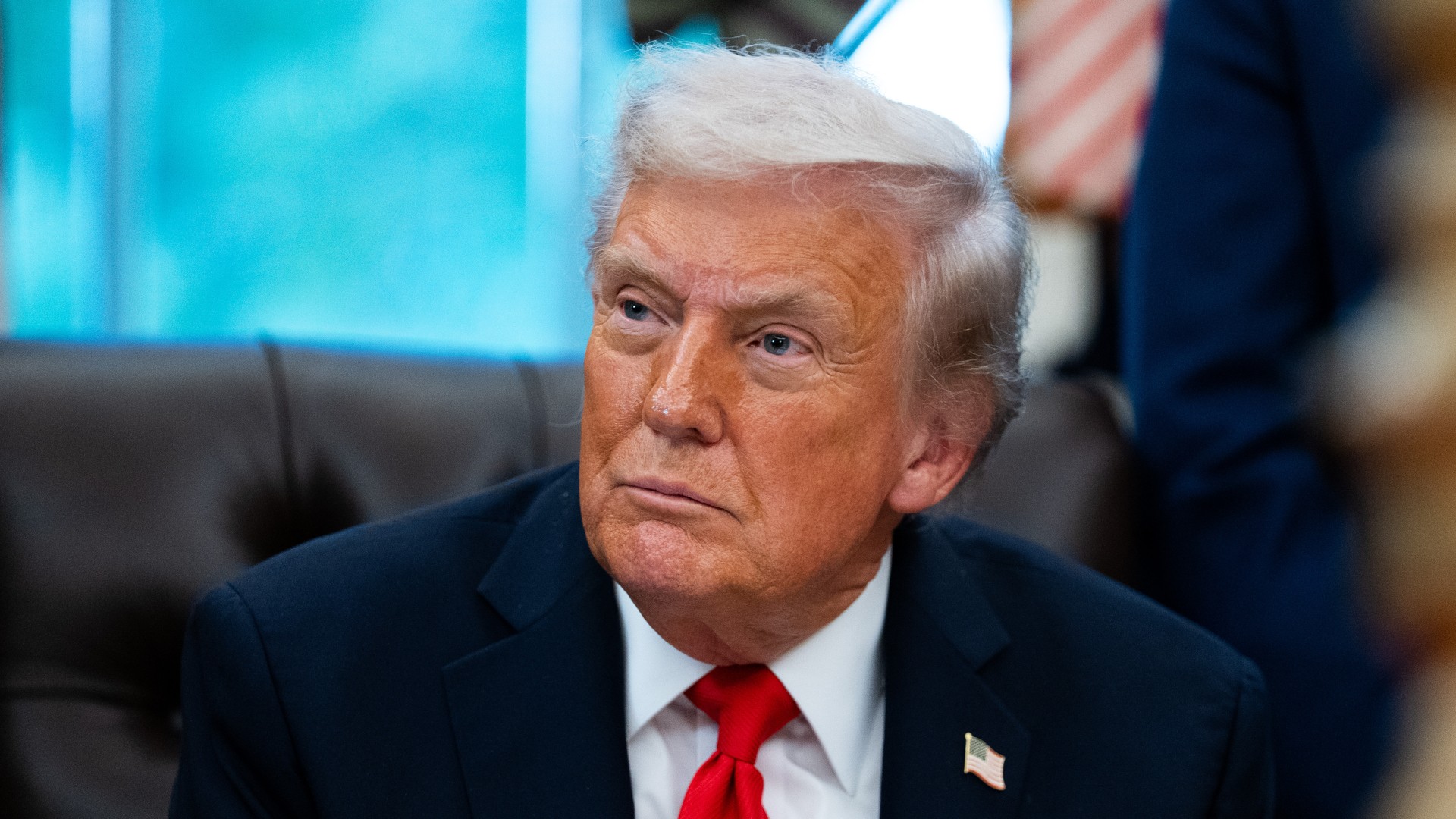
President Trump recently proposed a $2,000 “dividend” for most Americans, sparking debate about its feasibility and potential tax implications. While details remain unclear, the plan could affect your finances as early as the 2026 tax season. This article breaks down the proposal, its origins, and what it might mean for your money.
The Promise and Its Uncertainties
On November 9, Trump announced the dividend via his Truth Social platform, stating it would be distributed to most Americans, excluding high earners. However, the specifics remain vague: who qualifies as “high income,” how the dividend will be paid, and when it might arrive are all unanswered questions. Treasury Secretary Scott Bessent suggested the dividend may take the form of existing tax cuts rather than direct cash payments, including measures like eliminating taxes on tips, overtime, and Social Security contributions.
Funding the Dividend: A $300 Billion Question
Analysts estimate that a $2,000 dividend for the majority of Americans would cost at least $300 billion – an amount that currently exceeds revenue from Trump’s new tariffs. The feasibility of the plan is further complicated by the possibility that these tariffs could be legally challenged or repealed by the Supreme Court. This raises doubts about whether the dividend will ever materialize.
How It Could Affect Your Taxes
If implemented, the dividend could impact your taxes in several ways:
- Stimulus Checks: If distributed as direct payments, like those during the pandemic, the dividend would likely be non-taxable, meaning it wouldn’t increase your tax liability.
- Tax Credit: As a tax credit, the $2,000 would reduce your tax bill dollar-for-dollar. Any excess would be refunded, also tax-free.
- Tax Deductions: If the dividend is implemented as deductions (such as those for auto loans), it would lower your taxable income without directly increasing your refund.
Regardless of the method, any benefit received would likely be non-taxable, meaning it wouldn’t push you into a higher tax bracket.
The Bottom Line
President Trump’s promise of a $2,000 dividend offers potential financial relief, but its actual implementation remains uncertain. As of mid-November, there is no clear timeline or funding source. For now, tracking news updates is the best way to stay informed about whether this policy will come to fruition.