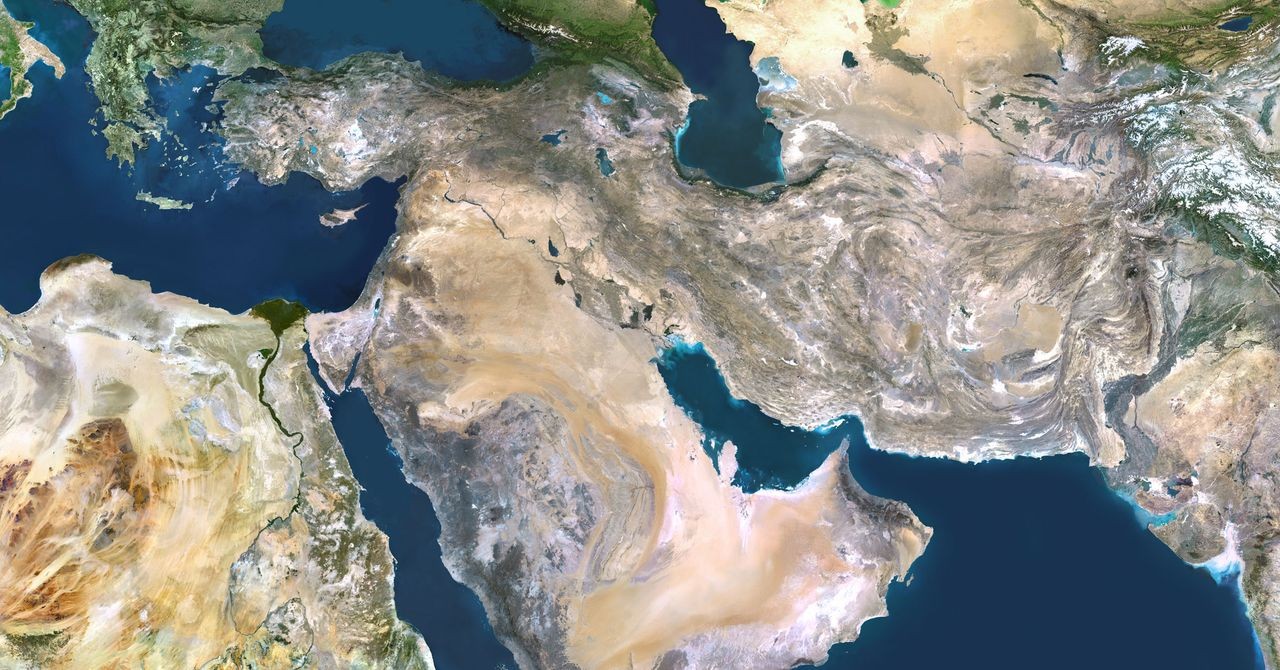
The Middle East is engulfed in an intensifying conflict following a series of strikes launched by the United States and Israel against Iran on February 28th. As of March 5th, the situation has rapidly expanded, with Iran retaliating by targeting Israel, U.S. assets, and critical infrastructure across multiple nations. The conflict is disrupting global supply chains and raising serious questions about regional stability.
The Initial Strikes and Escalation
The initial U.S.-Israeli offensive aimed at Iranian targets has triggered a chain reaction of attacks and counterattacks. The Trump administration, while offering varying timelines for the operation (ranging from four to eight weeks or longer), has justified the military action with broad claims ranging from nuclear threats to unsubstantiated allegations of Iranian interference in U.S. elections. Despite these justifications, Congress has not formally declared war.
The immediate consequence has been widespread disruption: shipping lanes through the Strait of Hormuz have halted, energy markets are in turmoil, and civilian infrastructure is under direct threat. The conflict is no longer contained, and its ripple effects are being felt across the region and beyond.
Countries Under Direct Attack
The following nations have experienced direct military strikes or significant disruptions as a result of the conflict:
- Iran: Iranian state media reports over 1,000 deaths since the beginning of the strikes, with schools and hospitals hit. Israel claims to have launched over 5,000 munitions into Iranian territory.
- Israel: Retaliatory strikes from Iran have resulted in at least 11 fatalities and damage to over 40 buildings in Tel Aviv.
- Azerbaijan: Drone attacks originating from Iran damaged an airport, injuring civilians. Azerbaijan has vowed retaliatory measures.
- Bahrain: Missile and drone strikes have targeted a U.S. naval base, with an attack occurring near an Amazon data center, which Iranian media claims was intentional due to the company’s support for U.S. military operations.
- Cyprus: A British air base was struck by a drone, causing limited damage. The U.K., Greece, and France have provided defensive support.
- Iraq: U.S. military bases near Erbil have been repeatedly targeted by Iranian strikes.
- Jordan: Jordanian forces have intercepted dozens of missiles, with Iran-backed militant groups claiming responsibility for some attacks. The U.S. embassy temporarily evacuated its personnel.
- Kuwait: Iranian missile and drone attacks have resulted in the accidental downing of three U.S. fighter jets by Kuwaiti air defenses.
- Lebanon: Israel attacked southern Lebanon after Hezbollah launched rockets and drones. Lebanon has since banned Hezbollah’s military activities.
- Oman: Commercial ports, including Duqm, have been hit by drone attacks, with at least one oil tanker targeted near the Strait of Hormuz.
- Qatar: QatarEnergy halted liquified natural gas production following an attack on its facilities, later suspending additional products including urea, polymers, methanol, and aluminum.
- Saudi Arabia: The U.S. embassy in Riyadh was damaged in an attack, and a Saudi Aramco refinery was targeted by a drone.
- Syria: Civilian infrastructure has come under attack in Syria, according to UN officials.
- Turkey: NATO intercepted ballistic munitions launched from Iran, with fragments falling into Turkish territory. Iran denies launching missiles towards Turkey.
- United Arab Emirates: Hundreds of drone and missile attacks have been intercepted, but debris has damaged areas in Dubai, including the Burj Al Arab and Palm Jumeirah. Amazon Web Services facilities were also directly struck, causing outages.
Evacuations and Growing Instability
The U.S. State Department has urged Americans to depart from the Middle East due to “serious safety risks,” with the U.S. military offering seats on transport planes for evacuations.
The current escalation underscores a dangerous trend of escalating conflict in the region, with no clear end in sight. The involvement of multiple nations, the targeting of critical infrastructure, and the lack of congressional authorization raise fundamental questions about the future of regional stability and the potential for further expansion.