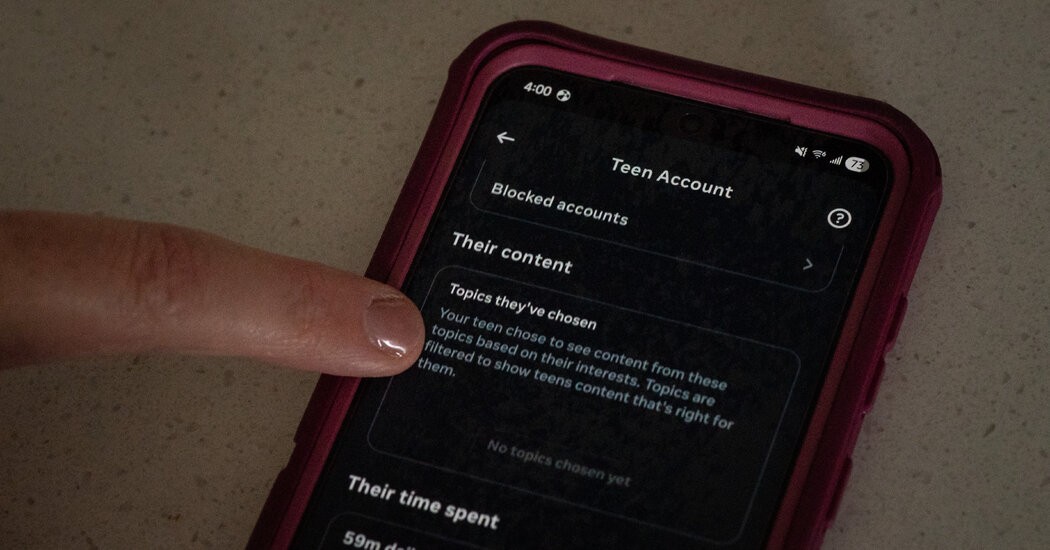
Instagram has abandoned its attempt to market content restrictions for teenage users using the familiar “PG-13” rating, following a strong objection from the Motion Picture Association (MPA). The social media giant, owned by Meta, had proposed aligning teen content guidelines with the film industry standard, suggesting that material viewed by young users would be similar to that in mainstream movies like Barbie or Superman.
The Conflict Emerges
The MPA, which manages the film rating system and holds the trademark for “PG-13”, swiftly opposed the move. The MPA signaled it was prepared to sue Meta, arguing that Instagram’s use of the rating was unauthorized and misleading. This clash between Big Tech and Hollywood illustrates a growing tension over how media consumption is regulated and marketed, particularly to younger audiences.
Why This Matters
The dispute highlights the challenges companies face when trying to borrow credibility from established branding systems. The PG-13 rating carries significant weight with parents, who rely on it to make informed decisions about what their children consume. Instagram’s attempt to leverage this trust without MPA approval backfired, undermining its efforts to address child safety concerns. This also raises questions about whether social media platforms can effectively self-regulate content, and if external standards are necessary.
The Resolution
After months of negotiation, Meta agreed to drop the “PG-13” branding. As part of the settlement, Instagram will include disclaimers in its marketing materials stating that the film industry was not involved in developing the content restrictions. Meta released a statement expressing satisfaction with the agreement, signaling a retreat from a controversial strategy.
The move underscores the legal and public relations risks associated with misusing trademarked ratings systems. It also demonstrates the MPA’s willingness to defend its intellectual property, ensuring that its standards are not appropriated by companies seeking to appear more responsible without genuine collaboration.