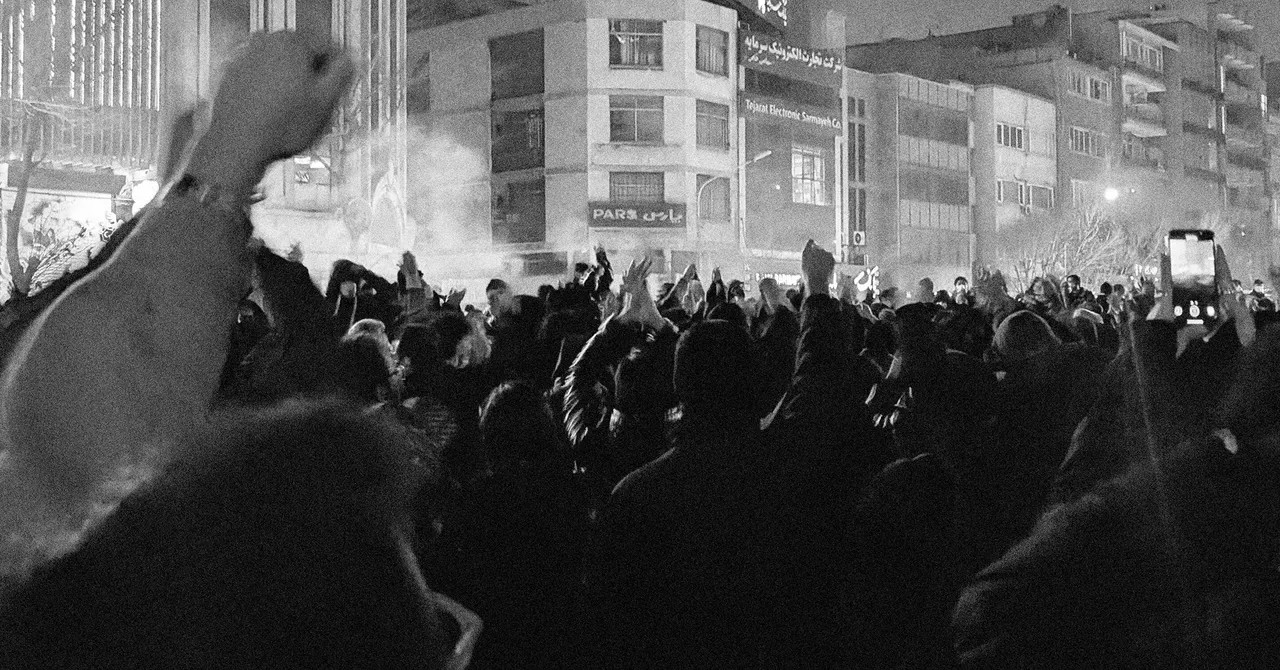
Over the past month, the Iranian government has demonstrated its ability to completely disconnect the country from the global internet while suppressing protests with lethal force. This shutdown, while seemingly chaotic in execution, reveals the culmination of over 15 years of systematic development toward total digital control: a closed national intranet known as the National Information Network (NIN) paired with increasingly refined surveillance capabilities.
For years, Tehran has imposed internet filtering, curfews, and blackouts to quell unrest. However, the recent shutdown was uniquely brutal. Researchers note that the government accidentally crippled the NIN itself during the process. This raises questions about whether the regime’s control mechanisms are as reliable as believed or if the shutdown was an impulsive overreaction to escalating protests. The fact that even state-controlled infrastructure failed is significant, highlighting the fragility of a system built for absolute control.
The NIN and Total Surveillance
The Iranian government’s goal is clear: to create a digital environment where all online activity is monitored. Reports from Holistic Resilience show that the Islamic Revolutionary Guard Corps (IRGC) either owns or controls virtually all telecom infrastructure. This allows them to access all data on the NIN, including communications, browsing history, and even behavioral patterns.
This isn’t just about tracking dissidents. The government is implementing “lifestyle surveillance”—a system designed to monitor citizens’ daily lives through CCTV networks, facial recognition, and data collection apps. Iranian laws and regulations actively support this surveillance, aided by state-affiliated hackers and companies willing to cooperate.
The NIN was intended to provide Iran-specific services while making it harder for information to leave the country. Its isolationist design prevents outside connections. Yet, the recent shutdown proved that even this system is vulnerable. During the blackout, government websites and domestic services were offline, alongside landlines and SIM cards.
The Future of Iranian Connectivity
As connectivity is partially restored, the regime appears to be moving toward a “whitelisting” system—restricting access to approved organizations, websites, and apps. State media has already published lists of permitted services on the NIN, effectively turning internet access into a privilege granted by the government.
The long-term implications are stark. Iran could permanently disconnect from the global internet, further isolating its population while strengthening internal control. Or, the system could collapse under its own weight, as the recent chaotic shutdown suggests. The unpredictability of the situation makes it difficult to assess the regime’s true intentions.
“When you absolutely disconnect everything, even people who may not want to end up coming to the streets, because they can’t see what’s happening from just sitting in their homes anymore,” one researcher with Project Ainita explained.
Ultimately, as Iranians regain limited connectivity, they return to a surveillance environment more intrusive than ever before. The Iranian government has successfully built a digital panopticon, and the question now is whether it can maintain control without completely destroying the system in the process.