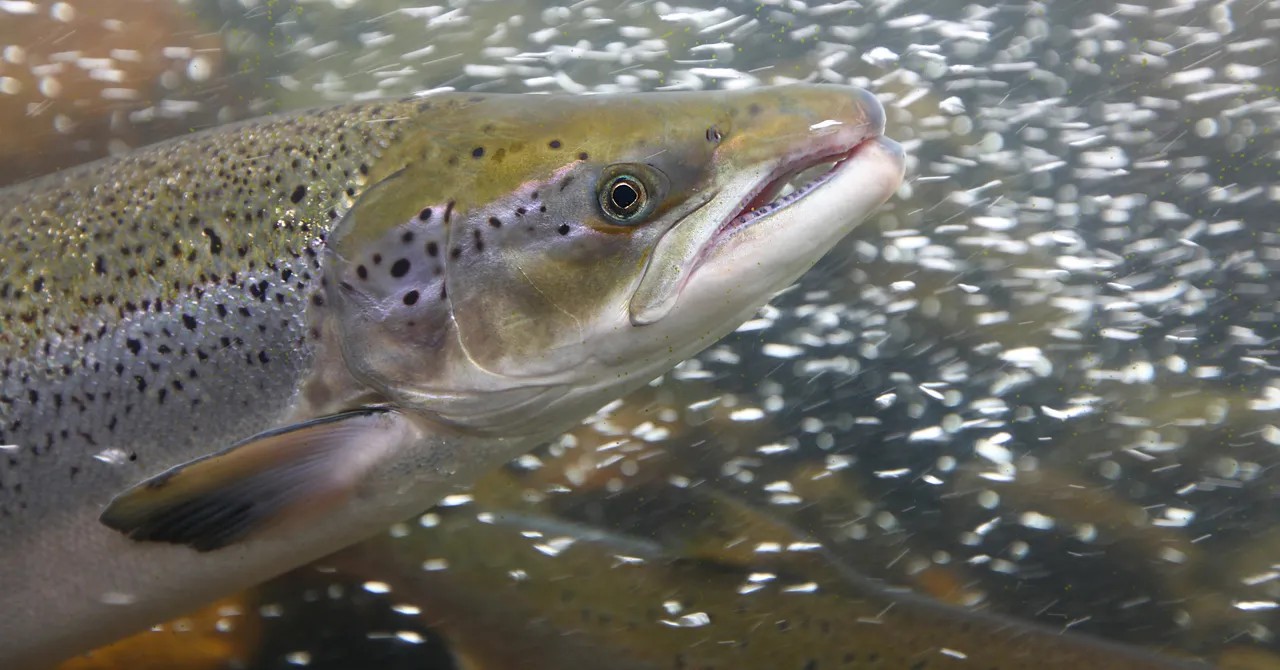
A recent study has provided groundbreaking evidence that drug contamination in our waterways is not just a laboratory phenomenon—it is actively changing the behavior of wildlife in natural ecosystems. Researchers have discovered that exposure to cocaine and its metabolites causes Atlantic salmon to wander much further from their natural habitats, potentially destabilizing entire aquatic food webs.
From Lab to Lake: A Natural Experiment
While previous studies had already demonstrated that cocaine could affect fish behavior in controlled laboratory settings, the real-world implications remained unproven. To bridge this gap, a multi-institutional research team—including Griffith University and the Max Planck Institute of Animal Behavior—conducted a field study in Lake Vättern, Sweden.
The researchers utilized a sophisticated method to simulate real-world exposure:
– Controlled Exposure: 105 juvenile Atlantic salmon were fitted with surgically implanted devices that slowly released chemicals.
– Three Distinct Groups: The fish were divided into a control group, a group exposed to pure cocaine, and a group exposed to benzoylecgonine (the primary metabolite of cocaine).
– Real-time Tracking: Small electronic tags allowed scientists to monitor the salmon’s movements across the lake over a two-month period.
The Metabolite Effect: A Surprising Finding
The most striking result of the study was not caused by the cocaine itself, but by its byproduct. The salmon exposed to benzoylecgonine exhibited the most radical changes in behavior, swimming up to 1.9 times farther than the control group. By the end of the experiment, these fish had dispersed roughly 20 miles from their original release point.
This finding is critical for environmental science because it shifts the focus of how we monitor water safety.
“The location of the fish determines what they eat, what eats them, and how populations are structured,” warns coauthor Marcus Michelangeli. “If pollution is altering these patterns, it has the potential to affect ecosystems in ways we are only now beginning to understand.”
Why This Matters for Ecosystem Health
The presence of cocaine in rivers and lakes is a growing global issue, primarily driven by human waste entering waterways through inefficient wastewater treatment systems. This study highlights two major concerns for environmental policy:
- The “Metabolite Trap”: Most current risk assessments focus on the primary drug (cocaine). However, this study shows that the metabolites —which are often more prevalent in the environment—may actually pose a greater biological risk.
- Ecological Disruption: When fish wander aimely or disperse too widely, it disrupts the “natural order.” This can lead to increased predation, changes in feeding patterns, and the breakdown of population structures that keep an ecosystem balanced.
The Road Ahead
This research marks the first time these effects have been documented in a complex, wild environment. The next phase of research will aim to determine how widespread this phenomenon is across different species and whether these behavioral shifts ultimately lead to lower survival and reproduction rates in the wild.
Conclusion: By demonstrating that drug metabolites can trigger erratic migratory behavior in wild salmon, this study warns that chemical pollution is fundamentally altering the spatial dynamics of aquatic life, posing a silent threat to global biodiversity.