


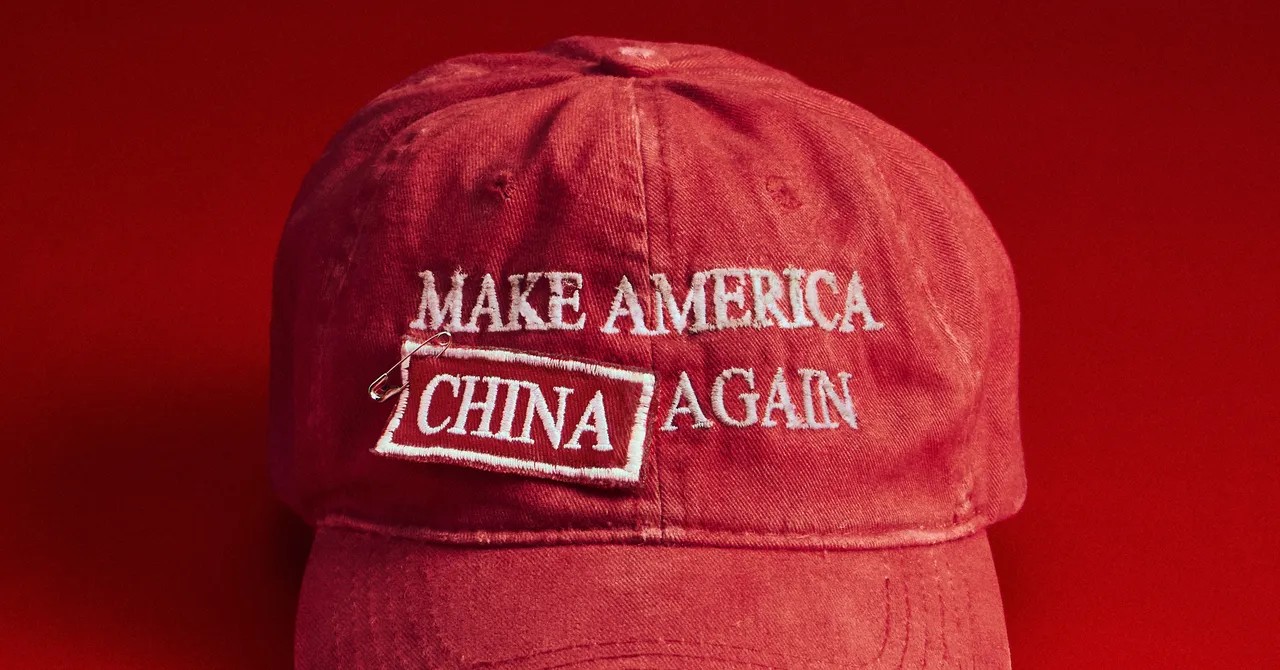
China isn’t just rising as an economic power; it’s fundamentally reshaping the world in ways many don’t fully realize. From robotics and energy to consumer culture and AI, China has quietly surpassed expectations, often outperforming the United States in key areas. This isn’t simply about cheaper labor or knockoffs anymore. It’s about innovation, ambition, and a relentless focus on execution that’s turning “Made in China” into “Created in China.”
The Robotics Revolution
The scale of China’s investment in robotics is staggering. Over 200 Chinese companies are developing humanoid robots, compared to roughly 16 in the United States. This reflects a strategic push to dominate next-generation automation. While the U.S. debates policy, China is building.
The Crystal Trade: A Hidden Empire
The Donghai Crystal Museum in eastern China isn’t just a tourist stop. It’s ground zero for the global crystal trade, a multi-billion dollar industry fueled by relentless capitalist efficiency. From Brazilian amethyst to Zambian citrine, the supply chain runs through Donghai, demonstrating China’s control over unexpected corners of the world market.
The Energy Shift: Batteries and Solar Dominance
China now produces over 80% of the world’s battery cells, rapidly expanding factories across continents. The country also installed more solar capacity in the first half of 2024 than the rest of the world combined – 156 gigawatts. This dominance isn’t just about production; it’s about controlling a critical component of the global energy transition.
The AI Ecosystem: Surveillance and Control
While Western nations struggle with AI regulation, China has implemented a more direct approach: an algorithm registry. Companies launching AI tools must first demonstrate compliance with strict censorship guidelines, including avoiding discrimination and “violating core socialist values.” This system has inadvertently created the world’s most detailed map of AI development within a single nation.
The Manufacturing Advantage: Speed and Scale
China can erect a 10-story building in just one hour using modular construction techniques. This speed, combined with massive scale, is reshaping industries from construction to electric vehicle production. In 2025, China is projected to sell nearly 16 million electric vehicles, ten times the number sold in the U.S.
The Cultural Impact: From Toys to Animation
China’s cultural exports are gaining traction globally. The animated film Ne Zha became the highest-grossing animated movie of all time in its market, eventually exceeding $1 billion in revenue. The character’s deliberately grotesque design didn’t deter Chinese audiences, demonstrating a willingness to embrace aesthetics that Western markets might reject. This success shows that China isn’t just exporting products; it’s exporting tastes.
The Surveillance State: A Global Model?
China operates the world’s largest surveillance network, with almost 700 million cameras deployed across the country. While controversial, this infrastructure provides unprecedented data collection capabilities, influencing everything from law enforcement to consumer behavior.
The Future of Consumption: Chinese Trends Going Global
From Li-Ning sneakers to Huawei wireless earphones, Chinese brands are becoming increasingly desirable. The country’s unique consumer trends, such as the Labubu collectible craze, demonstrate China’s growing influence on global pop culture.
The Chinese Century isn’t just about economic power; it’s about a systemic shift in how things are made, consumed, and controlled. The U.S. isn’t just falling behind; it’s being redefined by a competitor that plays by different rules. This reality demands attention, not because it’s a threat, but because it’s the new status quo.


