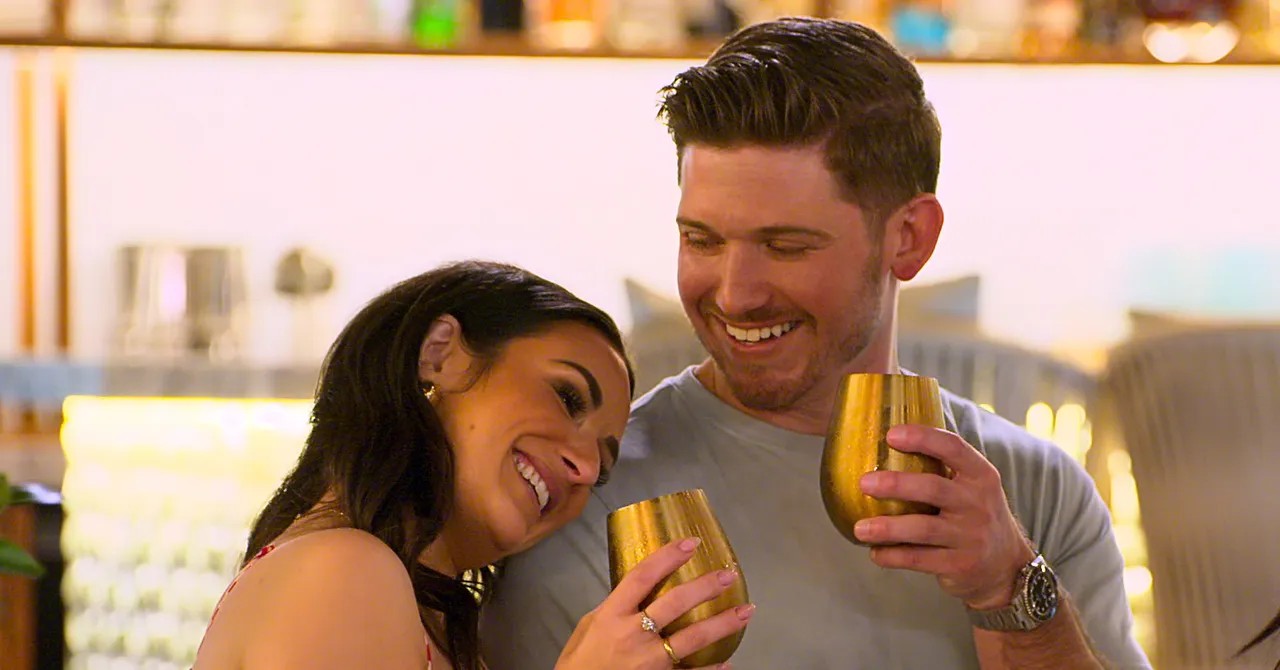
Netflix’s Love Is Blind started as a quirky experiment: could people fall in love without seeing each other? Now, the show increasingly reflects a darker trend: the normalization of toxic masculinity and conservative gender roles. What began as a social experiment has, over ten seasons, become a breeding ground for behaviors ripped straight from the “manosphere” – the online ecosystem of misogynistic and anti-feminist ideologies.
The Shift in Casting: From Quirky to Problematic
Early seasons of Love Is Blind were memorable for their awkwardness and genuine attempts at connection. But recent iterations feature men who openly align with problematic ideologies. Chris Fusco, for example, voluntarily compares himself to Andrew Tate, while Alex Henderson embodies the crypto-bro stereotype, complete with a shifting personal history. These contestants aren’t outliers; they represent a disturbing pattern.
The show’s male participants consistently demonstrate shallow judgment, emotional instability, and discomfort with successful women. One contestant grilled a woman about her virginity instead of her health issues, while another pressured his fiancée to abandon her career for his convenience. This dynamic isn’t accidental; it’s a recurring theme.
The Conservative Undercurrent
Love Is Blind now subtly promotes conservative ideals, from traditional gender roles to anti-feminist viewpoints. Contestants push for large families even when partners are hesitant, shame divorce, and reinforce the notion that women’s ambitions are secondary to their domestic roles. This trend isn’t just about individual behavior; it’s a systemic shift in the show’s casting and narrative structure.
One example is Jordan Keltner, who couldn’t cope with his fiancée’s wealth, ultimately ending their engagement because he couldn’t “keep up” with her lifestyle. Fusco demeaned his doctor fiancée for not attending Pilates, framing her lack of leisure activity as a personal failing. These interactions aren’t just bad behavior; they reinforce a hierarchy where women must conform to male expectations.
The Pandemic and Isolation: Fueling the Fire
Relationship expert Damona Hoffman argues this isn’t a casting issue, but a reflection of broader trends. The pandemic exacerbated existing problems in heterosexual relationships, pushing men toward online communities that reinforced misogynistic beliefs. Women, meanwhile, focused on self-improvement, widening the gap in emotional maturity and self-awareness.
This disparity has left single women frustrated, struggling to find partners who meet their standards. Despite a supposed “male loneliness epidemic,” research shows both genders experience similar rates of loneliness. In fact, single women report greater happiness than single men, suggesting the problem isn’t loneliness itself but the quality of available partners.
The Mirror Reflects Reality
Love Is Blind isn’t creating these dynamics; it’s holding a mirror to modern dating. The show exposes the growing disconnect between men and women, where traditional expectations clash with evolving social norms. While producers may not be intentionally amplifying these issues, the result is the same: a reality TV show that inadvertently normalizes toxic behavior and reinforces outdated gender roles.
Ultimately, Love Is Blind isn’t just about finding love; it’s a stark reminder of the challenges facing modern relationships. The show’s trajectory suggests that the search for genuine connection is increasingly overshadowed by the pervasive influence of the manosphere.