


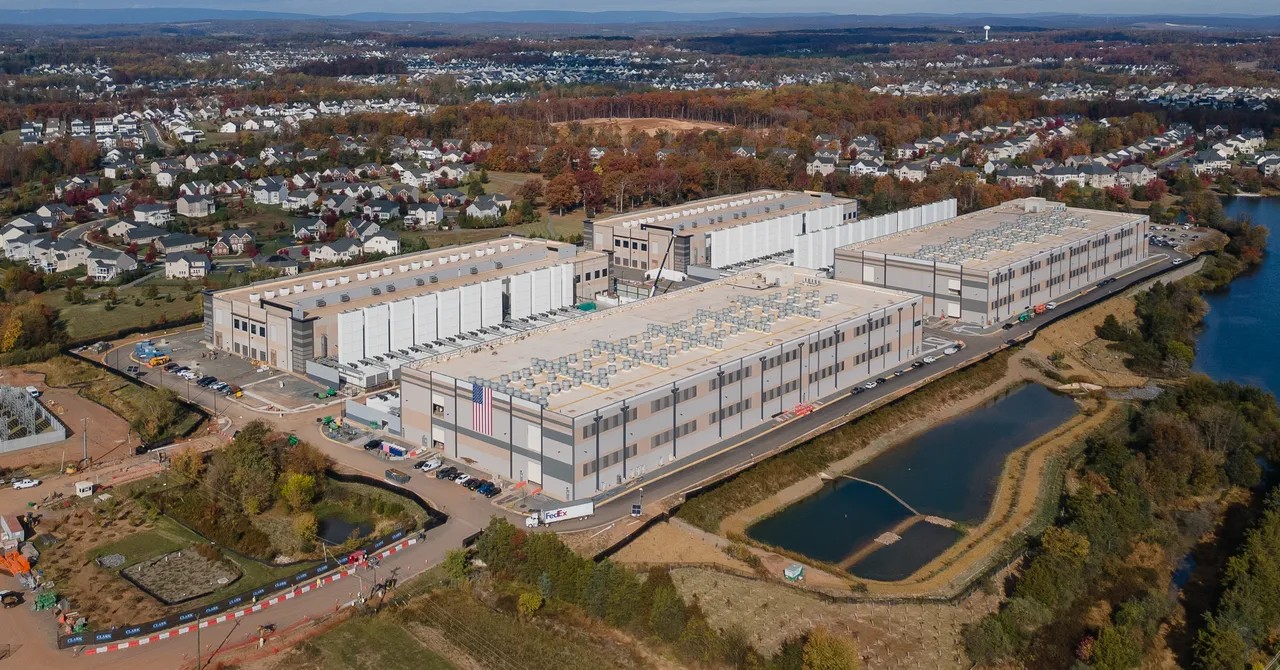
Microsoft is responding to growing public and political pressure over the rising electricity costs associated with its expanding network of data centers. In a statement released Tuesday, the tech giant said it would actively encourage public utilities to implement higher electricity rates specifically for data centers, aiming to shield residential customers from increased bills. This move comes as opposition to data center construction surges across the United States, fueled by concerns over grid strain, water usage, and potential rate hikes.
Rising Opposition to Data Centers
The backlash against data centers is no longer isolated. Recent research indicates a sharp increase in local resistance, with billions of dollars in projects stalled or canceled due to community opposition. The issue has become bipartisan, with figures like former Trump strategist Steve Bannon voicing concerns about the economic burden of these facilities. At the same time, the Trump administration has aggressively pushed for expedited data center development, even removing environmental protections to accelerate construction.
The core tension is simple: data centers consume massive amounts of energy, and that demand is visible in electricity bills. The Energy Information Administration projects continued increases in energy costs through 2026, partly driven by the insatiable appetite of these facilities. In Wisconsin, Microsoft canceled a data center project after local groups warned of a potential 5-15% rate hike. Similar opposition is brewing in Michigan, where hundreds of residents attended a recent planning commission meeting to voice their concerns.
Microsoft’s Response: A ‘Good Neighbor’ Approach
Microsoft’s proposal for tiered electricity rates is a direct response to this pressure. Brad Smith, the company’s president and vice chair, acknowledged the public’s anxieties, stating that Microsoft is “at a moment in time when people have a lot on their mind… They worry about the price of electricity.” By suggesting higher rates for data centers, Microsoft seeks to position itself as a responsible stakeholder, mitigating the impact on local communities.
However, this move is also strategically timed. President Trump has publicly demanded that tech companies “pay their own way” when it comes to energy costs, putting additional pressure on the industry. Microsoft’s willingness to engage on this issue could be seen as an attempt to avoid further political scrutiny and maintain favorable conditions for future expansion.
The Bigger Picture: Energy Demand and AI Growth
The escalating conflict over data center energy consumption highlights a fundamental challenge: the rapid growth of AI and cloud computing requires unprecedented levels of electricity. As demand surges, the existing grid infrastructure struggles to keep pace, leading to price increases and localized blackouts. Whether through rate adjustments, grid upgrades, or alternative energy sources, the industry must address this issue to avoid further public backlash and ensure sustainable growth.
The future of data center development now hinges on striking a balance between technological advancement and community well-being. Microsoft’s proposal is a step in that direction, but whether it will be enough to quell rising concerns remains to be seen.


