


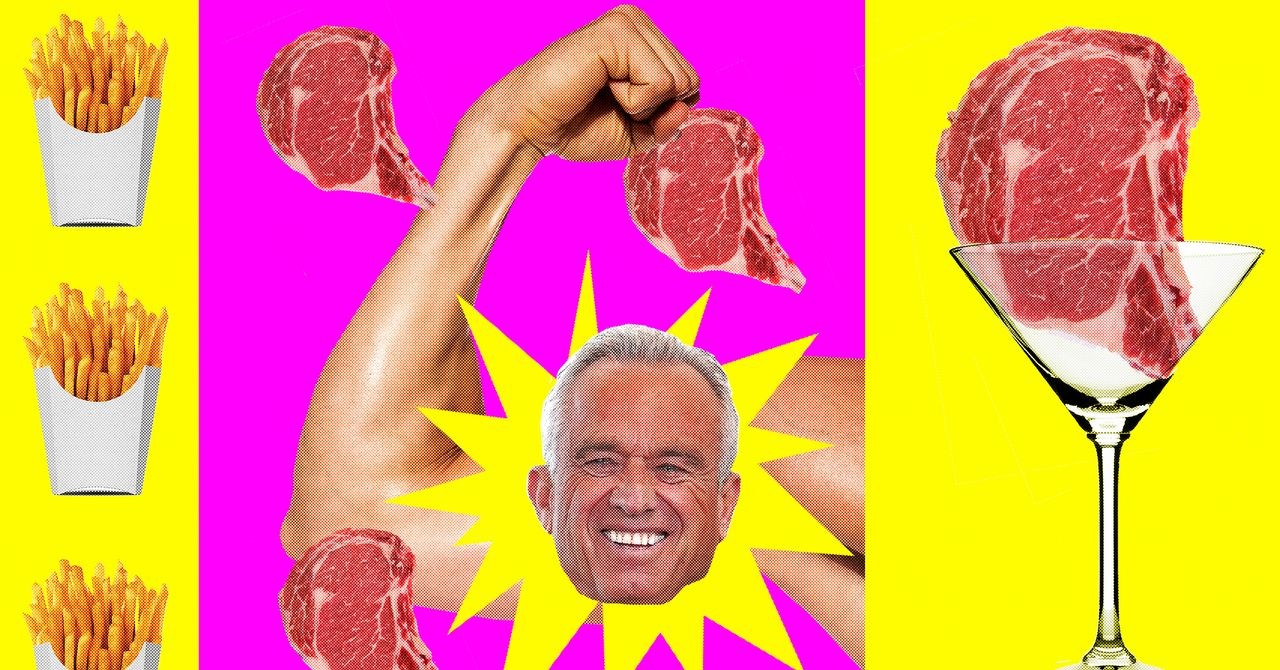
The current push for high-protein eating, championed by figures like Robert F. Kennedy Jr., isn’t just about health—it’s a cultural shift reshaping how Americans approach food. To understand this trend, I spent a week following a diet exclusively of protein-marketed products, and the results were… unpleasant. The experiment wasn’t about optimizing nutrition; it was about experiencing the reality of a protein-obsessed food landscape.
The Rise of Protein-First Thinking
Earlier this year, the US Department of Health and Human Services announced a “historic reset” of dietary guidelines, with protein taking center stage. This shift, echoed by Kennedy’s social media posts featuring protein-rich meals, has spurred the food industry into overdrive. Companies are slapping protein claims onto everything from breakfast cereals to fast-food staples, even if the actual nutritional value is questionable.
The logic is simple: capitalize on the demand. The problem is that this isn’t necessarily about health; it’s about marketing. The trend has been driven by the Trump administration’s push to put protein “at the center of the American plate.”
The Experiment: A Week of Protein Overload
The first lesson came quickly: high-protein doesn’t equal palatable. I started with Ghost’s Nutter Butter–flavored whey protein, mixed with water, which resulted in a peanut butter sludge so thick it triggered immediate nausea. As a protein-maxxing newbie, this was a lesson learned. The pursuit of protein led to bizarre choices: Man Cereal, advertised as “sweet, smoky & sigma,” which tasted like styrofoam, and Protein Boostin’ Pop-Tarts, which offered only a slight edge over regular breakfast options.
The most loaded drink I found was Slate Milk’s Vanilla Ultra Protein Shake, which drinks like melted chalk. I was left with the realization that the current protein craze may be distorting the facts around Americans’ access to it.
The Fast-Food Protein Mirage
Lunch involved navigating protein-obsessed fast-food menus. Chipotle’s “protein cup” (a cup of plain chicken) was a depressing reminder of how far this trend goes. Subway’s “protein pockets” were just regular lunch meat in a tortilla. At no point did I see any other customer at a restaurant order the cursed plates I was inflicting upon myself.
Seeking protein at all costs even took the pleasure out of snacking. A David high-protein bar (28 grams) was altogether uncanny in its approximation of chocolate chip cookie dough.
The Verdict: Unwell, Unhappy, and Unimpressed
After a week of this, the experience was clear: there’s no real benefit to eating this way. The products left me queasy, constipated, and wondering if my natural body odor was a little smellier than usual. I was sluggish on my runs and hardly up for socializing in the evenings. The shame and discomfort of organizing my life around protein had precluded almost everything else.
As clinical ethicist David Seres points out, “It makes sense from a marketing perspective… because you’re taking something that’s unhealthy and making it sound like it’s healthy.” The reality is that protein-infused junk food is still junk food.
The protein obsession isn’t about a revolution in health; it’s about a cynical exploitation of consumer trends. The experiment confirmed that pursuing maximum protein through these products leads to an unpleasant, ineffective, and ultimately pointless experience.


