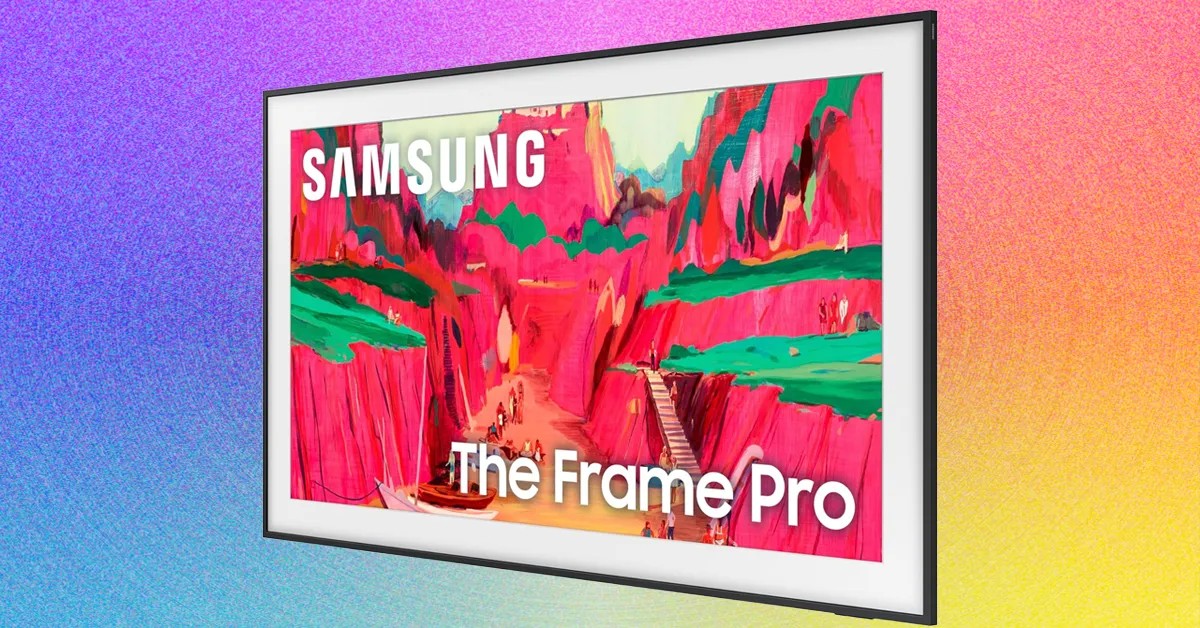
Modern televisions are no longer just screens for entertainment; they’ve become integrated parts of home design. Samsung’s Frame Pro takes this trend further, aiming to disappear when not in use by doubling as a digital art display. After extensive testing, this television delivers on that promise, offering a compelling blend of technology and aesthetics—though with a few key trade-offs.
Beyond a Black Rectangle: The Art TV Concept
For years, TVs have been evolving beyond basic functionality. Voice control, streaming apps, and even integrated gaming are now standard. The Frame Pro builds on this by allowing users to display artwork when the screen is idle. The question isn’t just whether this is a gimmick, but if the execution makes it worthwhile. In this case, the answer leans toward yes: the ability to transform a TV into a piece of wall art is surprisingly effective.
Setup and Design: Seamless Integration
The setup is remarkably straightforward. The optional customizable bezels ($199 for the 65-inch model) snap onto the frame, masking the TV’s edges and making it resemble a framed painting. Despite some shipping complaints in user reviews, the bezels are easy to install and significantly enhance the art illusion. The Frame Pro itself boasts a sleek, minimalist design—all black, with no distracting accents.
Samsung’s Wireless One Connect breakout box, a slim device that connects via Wi-Fi 7, offers maximum flexibility. It allows for cleaner cable management by housing all ports up to 30 feet away. Gamers and cinephiles will appreciate this, as it reduces clutter and simplifies connections for consoles, disc players, and receivers. However, a wired Micro HDMI connection (also supporting 144 Hz) provides lower latency for those who prefer direct connections.
Art and Display Quality: A Visual Experience
The Frame Pro’s art features are the highlight. The built-in art selection includes about 30 pieces, while the $4.99/month Art Store unlocks over 5,000 works, including classics like Van Gogh and Andrew Wyeth. The integrated AI art generator is surprisingly capable, creating unique visuals based on simple keyword prompts.
The Neo QLED matte display is Pantone certified, delivering accurate colors and impressive HDR performance. The screen dims automatically when no one is in the room, conserving energy. Even in bright sunlight, artwork and videos remain clear and vibrant. During HDR10 tests, skin tones and contrast levels appeared realistic and natural.
Performance: Streaming, Gaming, and Beyond
The Frame Pro excels in both streaming and gaming. Netflix Premium (4K, Dolby Atmos) delivered immersive sound and visuals, while Mubi (a curated film service) benefited from the upscaling and matte display. The Filmmaker mode disables AI enhancements for a pure cinematic experience, revealing fine details in scenes.
Gaming on the Frame Pro is smooth thanks to the 144 Hz refresh rate. Xbox Series X titles, like Forza Horizon 5, ran flawlessly, with vibrant colors and realistic textures. PC gaming (via Steam) also performed well, with Cyberpunk 2077 looking sharp and immersive.
The Trade-offs: Backlighting and HDR Standards
While the Frame Pro delivers a premium experience, it isn’t perfect. Unlike OLED displays, the Frame Pro uses backlit LCD technology. The vertical LED bands behind the screen result in some light bloom, especially during dark scenes. Additionally, Samsung TVs do not support Dolby Vision HDR, opting instead for the HDR10+ standard.
Conclusion
The Samsung Frame Pro is a unique television that successfully bridges the gap between technology and interior design. If you want a TV that disappears when not in use and blends seamlessly into your living room, this is a strong contender. The art features, coupled with the excellent display quality and gaming performance, make it more than just a pretty face. The trade-offs—particularly the backlighting and lack of Dolby Vision—are worth considering, but overall, the Frame Pro delivers an immersive and stylish viewing experience.