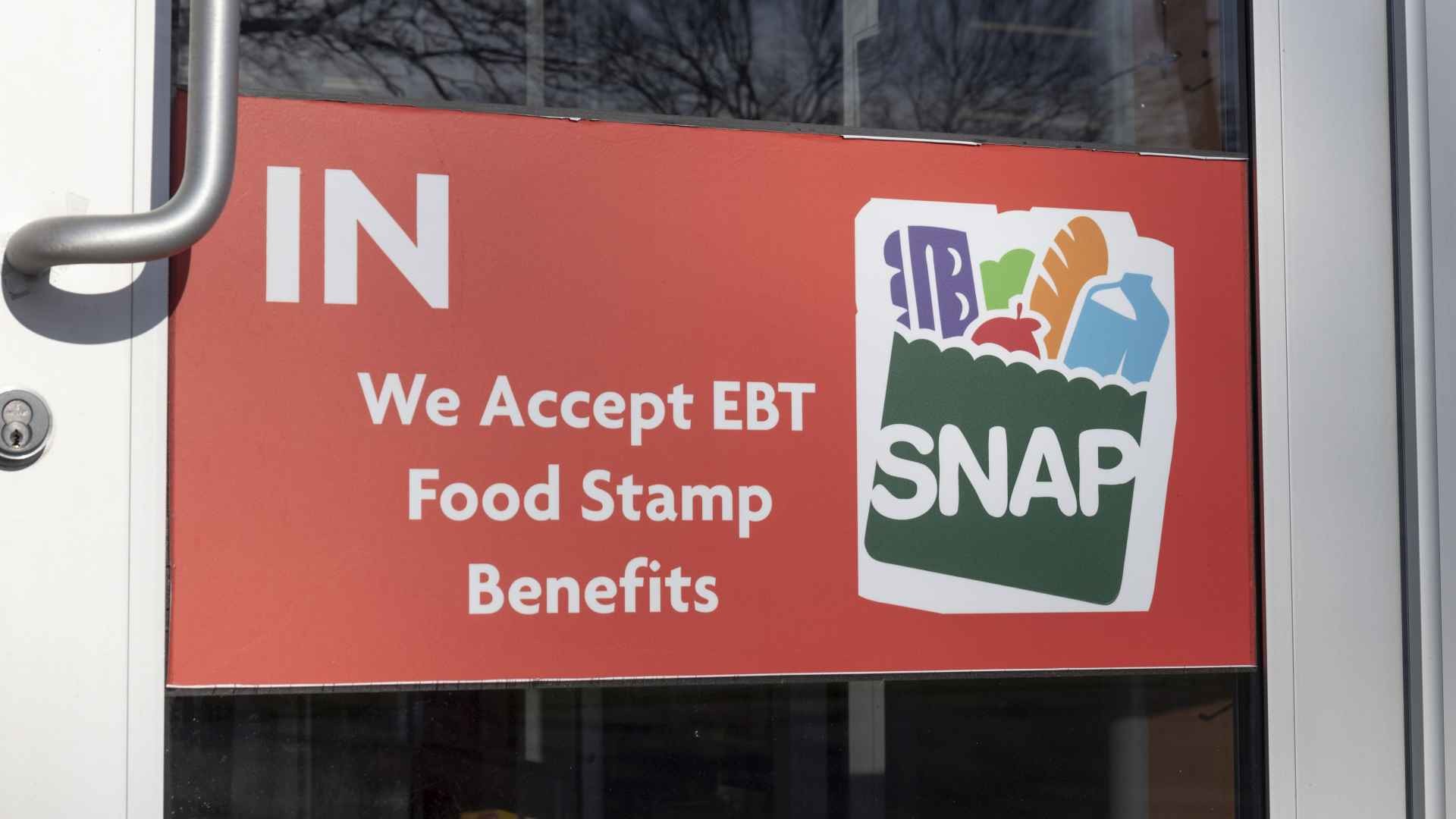
Supplemental Nutrition Assistance Program (SNAP) benefits will return to normal payment schedules in December after recent disruptions due to the government shutdown. However, significant changes to eligibility and benefit access are now in effect, impacting millions of recipients across the United States.
New Work Requirements and Benefit Limits
The One Big Beautiful Bill Act (OBBBA) introduces stricter requirements for adult SNAP recipients. To continue receiving benefits, individuals must now work, volunteer, or participate in job training for a minimum of 80 hours per month.
Those who fail to meet these requirements will be limited to just three months of benefits within a three-year period. The law also eliminates previous exemptions for unhoused individuals, veterans, and young adults leaving foster care. States’ ability to waive these requirements in areas with limited job opportunities has also been restricted.
Financial planner Marguerita Cheng, CEO of Blue Ocean Global Wealth, emphasizes that the three-month limit will begin ticking in December, even though the Trump administration paused work requirements for November.
SNAP Usage and Demographics
In fiscal year 2024, SNAP served an average of 41.7 million Americans monthly – representing 12.3% of the US population. Benefit usage varies significantly by state, with New Mexico having the highest participation rate at 21.2%, while Utah reports the lowest at 4.8%.
Maximizing SNAP Benefits
Recipients can maximize their benefits in several ways:
- Explore additional food assistance programs: Check eligibility for other federal, state, or local programs.
- Deduct medical expenses: SNAP allows deductions for qualified medical costs, increasing benefit amounts.
- Utilize Double Up Food Bucks: Many farmers markets participate in programs that match SNAP spending, effectively doubling purchasing power.
These changes to SNAP reflect a broader trend toward tightening eligibility requirements for social safety net programs. The impact of these policies remains to be seen, but millions of vulnerable Americans will need to adapt to the new rules or risk losing access to critical food assistance.
These shifts in SNAP policy demand careful attention from recipients and advocates alike, as the program’s future structure will directly affect food security for millions.