
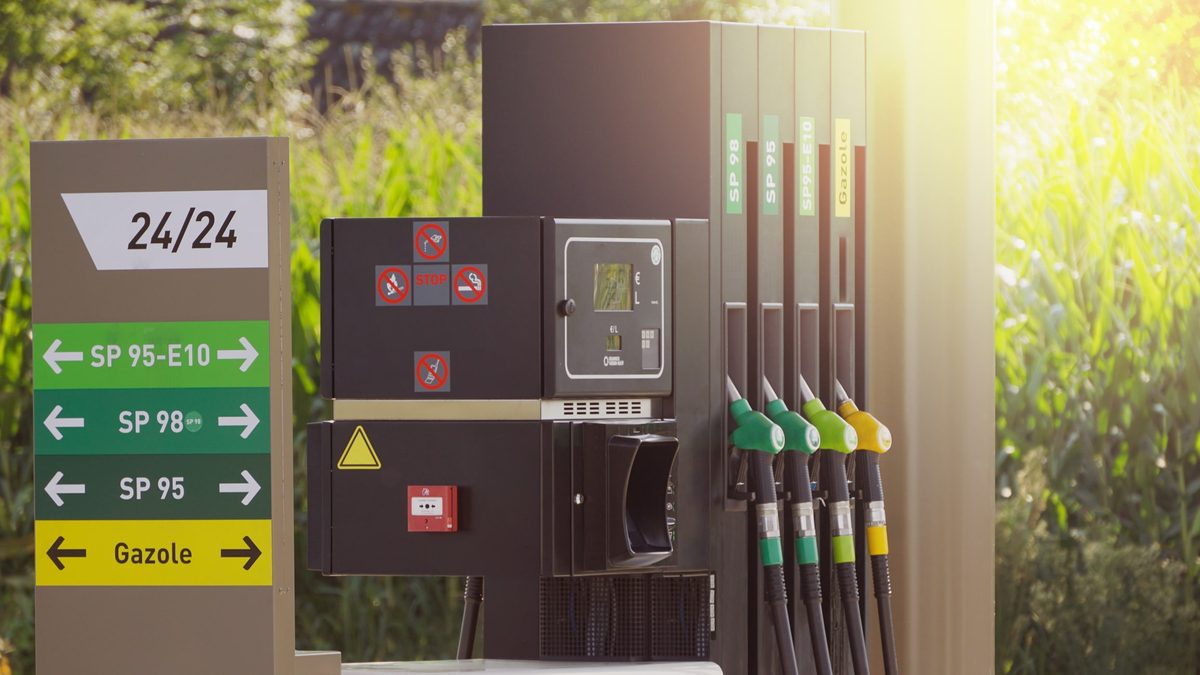
The price of gasoline at gas stations will not change. they have changed. Often. Several times a week. Sometimes the same day. You don’t have to switch stations or look for obscure discounts to save money. The secret is timing.
Most drivers think of fuel as a commodity with a fixed price. This is wrong. The gasoline market is unstable. Fluctuations in the supply chain. Fluctuations in crude oil prices. Geopolitics played a role. All this is transferred to the pump. The purpose is not to find the cheapest station on the map. Buy when the market is falling.
Why do gas prices fluctuate so often?
Crude oil is traded all over the world. Its price changes every minute. Refineries turn crude oil into gasoline. Delivery costs will be added to your bill. Local taxes are fixed. But what about the base price? It’s fluid.
Retailers often adjust their prices. They are watching their competitors. They focus on the wholesale price. If wholesale prices drop overnight, gas stations will update their pumps in the morning. If the price goes up, you pay more.
“Gasoline prices are not fixed. They change several times a week.”
This is not about speculating about the future. It’s a reaction to the moment. You don’t need a crystal ball. You need to know when prices change.
How to decide when to refuel
There is no need to check prices every hour. It’s exhausting and rarely worth it. But you need a strategy.
**1. Track your weekly rhythm. **
In many areas, prices drop in the middle of the week. Prices usually drop on Tuesdays or Wednesdays. Why? The stations are adjusted according to the peaks of the weekend. If you fill up by Thursday, you may be able to avoid the weekend hike.
**2. Observe the daily cycle. **
Some stations modify their prices at certain times. Late nights are common. Others change at 6 AM. Check your local stations’ apps. See the figure. Is there a consistent drop at a certain hour?
**3. Use price comparison tools. **
Apps like GasBuddy and AAA’s Fuel Finder show real-time prices. You don’t just have to look for the absolute smallest number. Look for consistency. A station that is $0.05 cheaper every Tuesday is better than a station that is $0.20 cheaper every month.
The Trade-Off
Is it worth driving an extra 5 miles to save $0.10 per gallon? Probably not. Math can get confusing quickly. The fuel efficiency of the car is important. Your time is important.
But what if the cheapest station is 0.5 miles away? It’s easy money. Fill up there. Do it again next week.
Accumulate small savings. $0.10 per gallon. Once in two weeks. Over a year, that’s significant. Especially if you drive a lot.
What not to do
Don’t stress over pennies. You’re going crazy. Let’s make the rules. If the price drop is less than $0.05 per gallon, ignore it. Focus on the bigger patterns.
Don’t buy fuel when you’re scared. Fear can lead to bad decisions. Panic buying at top prices will definitely lead to overpayments. Wait for the dip. It will come.
The Bottom Line
The price of oil cannot be controlled. You are in control at the time of purchase.
Understand the local market. Find your own rhythm. Wait until the price drops.
Why is gas cheap on Tuesdays and Wednesdays
The myth that weekly fuel prices are fixed is a stubborn one, but it is completely false. At many stations, especially in connection with large supermarkets, prices change several times a week.
This is not random. This is a direct response to regional competition, immediate demand and the world market price of a barrel of oil. You’re not just buying gasoline. You are buying a dynamic pricing model that changes with the market.
The best day replenishes energy
Field research and consumer data show a consistent pattern. **The best days to buy gas are usually Tuesday and Wednesday. **
This is the rhythm of the week. Weekend prices usually remain on Mondays. Some gas stations have not yet updated their pumps. And on Thursday, the price pressures started. Demand increased on Friday and Saturday. Prices also vary if the driver goes on a leisure trip.
Buying on Tuesday or Wednesday usually means beating the mid-week hikes. This is simple arbitrage. If you wait too long, you’ll pay the price in weekend traffic.
Pump stop timing
Price changes based on the time of day are rarer, but they do happen. An early morning or late evening fueling can give you a chance to know the previous day’s price before upgrading.
Here’s a side benefit. **There are fewer cars at gas stations. ** Less idling. Less stress. Even small amounts can save time and money. However, the small amounts compound.
Weekend trap
Weekend departures and vacation trips create predictable spikes in demand. The station had been waiting for it. We will adjust our prices accordingly.
Please note the following points: ** Gasoline can be more expensive on a Saturday afternoon than on a Wednesday morning. **The difference per liter may seem small, but it adds up. You pay for the inconvenience of others. Avoiding insurance payments is essential for financial discipline.
Cost promotion
Some large retailers may offer fuel “at cost”. Usually these are only available on Fridays or Saturdays.
These promotions are very useful. But they are not systematic. they are the exception. Don’t expect it to happen every week. Check flyers or the retailer’s app for current offers. Relying on memory is a costly mistake. Spotting these offers requires active attention.

Why Wednesday is the best time for fuel prices
It feels contradictory. You’d think Friday is everyone’s gas day, so maybe they’re lowering prices to attract the weekend crowd. They aren’t. The data tells a different story.
You can save money on Tuesday or Wednesday.
Gasoline and diesel prices are linked to crude oil futures. These markets are traded during business hours. Prices fluctuate when the stock market opens and closes. When the pump updates the label, the day’s trading session is over.
Tuesday and Wednesday fall in the middle of the week. They avoid the weekend rush hour and Monday morning adjustments. This is when, retailers often adjust prices ahead of the weekend rush to stay competitive.
Avoid Friday through Sunday.
Nowadays, prices usually go up or stay high unless there is a special offer. Why? Demand is up. People are preparing to travel. Dealers know it. You don’t lower prices when everyone needs gas. They raise them.
If you wait until Saturday morning, you will have to pay a premium.
The time of day is also important.
Please go in the morning. Or in the evening. Stick to off-peak hours. This has nothing to do with secret discount codes. It’s all about volume. When stations are less crowded, managers are more likely to move inventory quickly. You can trim the margin a bit if you want to allow the pump to flow.
See one-time offers.
Large supermarket chains and gas stations sometimes organize special discounts. These are unpredictable. They are tactical. Competitors may lower prices within 48 hours to clear inventory or gain market share. If you see a drop below the average, take it. But don’t wait until it becomes the norm.
Anticipation beats reaction.
The biggest mistake drivers make is waiting until the gas tank is almost empty before refueling. When you run low, you have no choice. Pay as much as you want at the corner station. It is a “convenience tax”.
If you fill up early, you still have options. There are three stations you can drive through to find the best price. You can compare apps. You can plan your route around cheap hubs.
Over time, the math will work in your favor.
Saving a few cents per liter may seem trivial. Seems like a rounding error. But scale it.
Refill twice a month.
You save 0.10 euros per liter.
Driving a normal car consumes 6 liters of fuel per 100 kilometers driven.
If it lasts more than a year, the amount will increase even more. It’s not a fortune. But this is real money. It covers a few tank meals. It pays for a minor repair. It stays in your account instead of disappearing down the oil pipeline.
This is not a complicated financial strategy. No investment required. It’s just timing.
Change your ways. Do not inject gas impulsively. Refueling starts according to the schedule. The difference is subtle during the week. In December, it becomes important.
You don’t have to be a market analyst. It is enough to remember the rhythm of the week. Midweek is friendlier. The weekend is greedy.
Keep your tank half-full. Keep your options open. Let another driver pay for the weekend and you’ll save money on a quiet Wednesday morning.