

The tug of war of economic interest is more than just theory. This is a characteristic of modern geopolitics. A country’s GDP is more than just a number on a screen. It determines who gets a seat at the table. It determines your trading leverage. It affects cross-border monetary stability.
When we talk about the world’s most powerful economy, we’re not just looking at simple size. We are currently considering export operations. industrial production. innovation ecosystem. The ability to absorb shocks.
The following list shows the 10 most powerful countries in the global financial system at the moment. These choices are based on nominal gross domestic product, which is a standard measure that reflects the sum of the market value of all finished goods and services produced in a country in a given year.
1. United States
The United States remains an undisputed power. It is the only economy to consistently exceed the $25 trillion mark.
Why is this important? Because the US dollar is the world’s reserve currency. Most world trade is done in US dollars. This gives Washington enormous leverage. The sanctions were even tougher here. Washington’s accusations also spread to Tokyo, Berlin and São Paulo.
The US economy is driven by consumption. Americans buy things. They borrow money to buy things. They invest in technology, healthcare and finance. The value created in Silicon Valley alone exceeds the combined value of many national economies. The service industry is mainstream. Its share of the US GDP is almost 80 percent.
But the service doesn’t end there. The United States is also a manufacturing powerhouse. Relocation increases the domestic production of semiconductors and electric vehicles. The Inflation Control Act and the CHIPS Act are direct attempts to secure supply chains. These are not just politics. They are economic weapons.
The trade deficit is still a structural problem. America buys more than it sells. But the flow of capital filled the gap. Foreign investors buy US bonds. They are betting on America’s stability. So far, the bet has paid off.
But the gap between the United States and its closest competitors is narrowing. China is pushing hard. Europe stops. The US lead is comfortable but not undisputed. The debt level is high. Political polarization affects policy coherence. Investors are watching these cracks closely.
The US economy is resilient. I adapt. We are constantly innovating. But persistence comes at a price. The cost of living is rising. Inequality is widening. Even as the stock market hits record highs, ordinary workers are feeling the pinch. The excitement is real. This is behind every economic decision made in Washington.
The United States not only leads the world economy; it looms over it. With a gross domestic product (GDP) of $22.675 trillion, the United States ranks first among the world’s most powerful economies. This isn’t a narrow lead. This is a structural advantage based on decades of industrial excellence, continuous innovation and a financial system that sets the pace of the world.
Think about where the money moves. It flows through Wall Street, the balance sheets of tech giants and the supply chains that drive global trade. These are not just industries. They are pillars. Financial markets determine global liquidity. High-tech companies will define productivity for the next decade. Global brands shape consumer behavior on all continents.
2. China
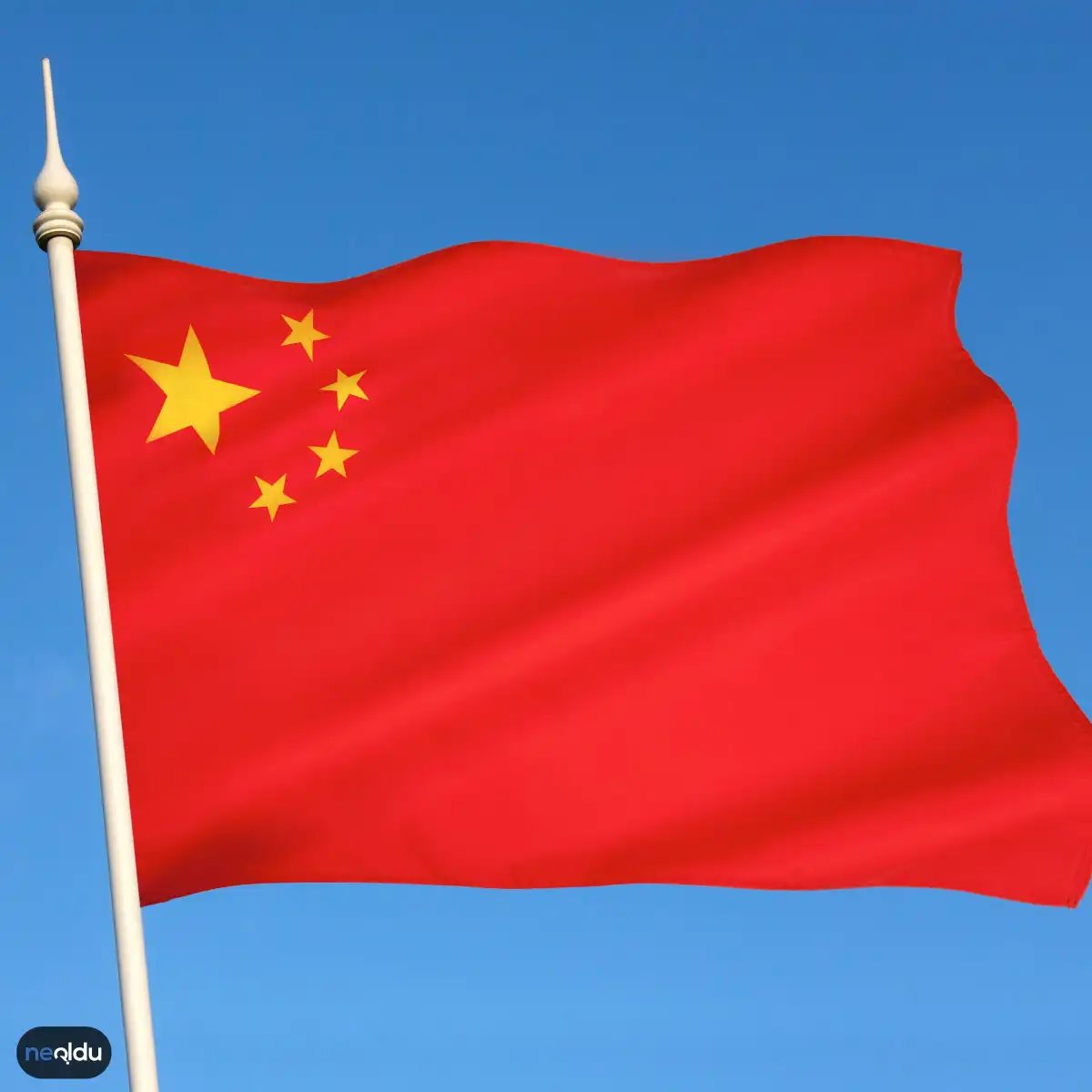
But focusing exclusively on the United States misses the other half of the story. The narrative of global power is changing, not because the United States is shrinking, but because China is expanding its influence at a pace that challenges the established order.
Although the United States ranks first in total GDP, China’s economic model is distinct. This has less to do with pure consumption or financial services dominance, but more to do with manufacturing, state-led investment and an increasingly complex technology industry. The question is not just who has the biggest economy, but how these two giants interact in an increasingly fragmented world.
The rise of China is not just a matter of numbers. It’s also about infrastructure, the transition to green energy, and experiments with digital currencies that can transform the transfer of value across borders. The United States relies on strong capital markets and innovation. China relies on scale and rapid deployment. Both are powerful. Both are important for understanding the next chapter of global finance.
3. Japan
Despite the explosive rise of China, Japan is still the world’s fourth largest economy by nominal GDP. This is no longer just a matter of numbers and population. It’s about efficiency, accuracy and deep capital markets.
Why Japan’s economy still matters
Japan doesn’t shout. It doesn’t need to. With a nominal GDP of around $4.2 trillion (subject to exchange rate fluctuations), it is well placed to compete with the emerging giants. Why? Because of High Value Manufacturing and Worldwide Brand Equity.
You see Toyota, Sony, Nintendo, and Panasonic. These are not just companies. They are the backbone of the economy. They generate stable cash flow, pay dividends and reinvest in research and development. This creates a stable but slow-growing financial ecosystem.
The Trade-Off: Aging vs. Innovation
这是问题所在。 日本人口正在减少。 快速地。 世界上最古老的人口统计之一。 这意味着更少的工人。 养老金成本较高。 公共财政紧张。
“老龄化不仅仅是一个社会问题。它还是一个宏观经济约束。”
然而,日本以自动化 和机器人 进行反击。 当您无法雇用更多人员时,您可以制造 24/7 工作的机器。 这就是为什么日本在工业机器人和先进材料方面处于领先地位。 这是一种被迫的进化。 不是由选择。 出于必要。
Where the Money Is
如果您正在寻找投资机会或贸易伙伴,请查看:
– 汽车和机械 :仍然是日本的出口支柱。
– 电子和半导体 :卷土重来的故事。 日本正在重新进入芯片供应链。
– 金融服务 :深度、流动性市场。 日经 225 指数是亚洲科技和工业健康状况的晴雨表。
Comparison: Japan vs. China
中国提供了规模。 日本提供稳定性和知识产权。 中国增长更快。 日本支付红利。 一是冲刺。 另一种是尾巴很长的马拉松。
Does this mean Japan is declining? Not exactly. It’s maturing. And in finance, maturity often means lower risk, lower reward. But predictable.
Is that enough for you? Depends on your horizon. Short-term? Maybe not. Long-term? It’s a different story.

4. Germany
Japan is known for its technological prowess. It has a GDP of $6.257 trillion and is powered by a high-tech economy. Strong electronics, automotive and telecommunications industries have made Japan one of the world’s largest exporters. High-quality products and innovative research and development work give it a significant international competitive advantage.
4. Germany
A country that can match Japan’s technological strength is Germany. If you look closely at the economy, Germany’s export leadership is defined by exports of high-tech products. Its deep roots in the automotive, engineering and chemical industries shape the country’s economic stability.
Why Germany dominates the export of high technology
Germany doesn’t just build cars. It builds the systems that make them work. The German engineering advantage is not only in accuracy; it’s about reliability. This reputation drives global demand.
Look at the numbers. The automotive industry alone makes up a large part of Germany’s industrial production. Companies like BMW, Mercedes-Benz and Volkswagen don’t just sell vehicles. They export complex ecosystems of software, hardware and supply chain expertise.
But it’s not just cars. Chemical giants such as BASF and Bayer are global market leaders. Their innovations in medicine and materials science feed into everything from agriculture to medicine. This diversification protects the economy. If car sales decline, the demand for chemicals may remain stable.
Germany’s export strategy is based on specialization. They don’t try to do everything. They dominate niche markets where quality is more important than price. This way they can maintain their margins even during currency fluctuations.
Critics argue that Germany is too dependent on China. That’s true. China is an important market for German luxury cars and machinery. This creates vulnerability. Geopolitical tensions can disrupt trade flows. Nevertheless, Germany’s domestic industrial base is still strong. Medium-sized enterprises – small and medium-sized enterprises – form the backbone of this sustainability. These hidden champions supply components to global giants. They are often family-owned, long-term and deeply rooted in the local community.
This structure offers a different kind of stability. It’s not about scaling quickly. It’s about sustainable growth. The trade-off? Less flashy innovation compared to Silicon Valley. But more lasting value.
So which model wins? Japanese electronics and robotics or Germany’s engineering and chemistry? It depends on what you value. Speed? Or durability? Both are necessary. Both face their own challenges. The future won’t belong to one. It belongs to those who can adapt both.

India is the fifth-largest economy in the world, holding a critical position in the global financial landscape. While it trails behind the United States, China, Japan, and Germany, its growth trajectory is distinct and increasingly influential.
The country’s economic weight comes from a massive population, a rapidly expanding digital infrastructure, and a services sector that has become a global powerhouse. India’s GDP sits firmly in the multi-trillion-dollar range, reflecting its transition from an agrarian base to a hub for information technology, pharmaceuticals, and financial services.
Why India Matters in Global Finance
Investors and policymakers watch India closely because it offers a different kind of growth story compared to the advanced economies. Here is how it stacks up:
- Demographic Dividend: With a young and growing workforce, India has a labor advantage that supports long-term consumption and productivity.
- Services Export: The IT and business process outsourcing sectors generate significant foreign exchange, making the economy more resilient to global manufacturing shifts.
- Digital Public Infrastructure: Initiatives like the Unified Payments Interface (UPI) have created a highly efficient payment ecosystem, boosting financial inclusion and formalizing transactions.
Comparison with Other Top Economies
When you look at the top five economies, the contrast is stark. Germany leads Europe with a focus on industrial exports and high-tech engineering. India, by contrast, is driven by domestic consumption and services. This means its economic cycles are less tied to global trade tariffs and more tied to internal demand and policy reforms.
For someone looking at where capital flows or where supply chains might shift, India represents a key alternative to China. It is not just about low labor costs anymore; it is about scale, digital adoption, and a growing middle class with purchasing power.
Risks and Realities
The picture isn’t uniformly rosy. India faces structural challenges that any serious financial analysis must acknowledge:
- Income Inequality: Wealth remains concentrated, with a large informal sector that limits tax bases and social safety nets.
- Infrastructure Gaps: While improving, logistics and power distribution still lag behind developed nations, increasing operational costs for businesses.
- Regulatory Complexity: Changing tax laws and bureaucratic hurdles can slow down foreign direct investment, despite recent reforms.
The Bottom Line
India is not just a rising star; it is a current economic heavyweight. Its position in the top five is secured by size, growth rate, and strategic importance in global services. For investors, it means exposure to a high-growth market with higher volatility. For businesses, it means a complex but rewarding entry into a consumer-driven economy.
The question isn’t whether India will stay in the top five. It is how its growth translates into sustained per-capita income and whether it can navigate its internal inequalities. The next decade will likely define not just its rank, but its role in shaping global economic stability.

6. United Kingdom
Britain punches well above its weight. It is a G7 economy with a huge financial sector that continues to support global markets even after leaving the EU. Depending on exchange rates and how it is measured, GDP is about $3.1 trillion to $3.2 trillion. London is still one of the world’s three largest financial centers, competing directly with New York and Singapore.
But Britain’s economy is changing. The share of industry has decreased and the service sector has become dominant. Financial services, legal advice and creative industries are the real engines. Tourism also has a significant contribution, as millions of tourists flock to London, Edinburgh and elsewhere every year.
Inflation and rising wages are a tightrope for the Bank of England. The rise in interest rates is necessary to curb the rise in prices, but capital investments and personal consumption are also slowing down. The labor market remains tight in some industries, especially healthcare and technology, while there is uncertainty in other industries.
The UK is also a leader in renewable energy and green finance. The UK has one of the most ambitious net-zero targets in the world. This is more than just words. The UK has invested heavily in offshore wind power, battery storage and carbon capture technology. Companies are quickly adapting to new ESG regulations, creating opportunities for sustainable finance and clean technology.
For investors, the UK offers stability, but it also brings complexity. The exchange rate of the pound varies according to political developments and global risk sentiment. The long-term economic impact of Brexit is still visible. Trade barriers with the EU have increased friction, but new trade agreements with countries such as Australia and Japan are gradually narrowing the gap.
Britain’s strength lies in its institutions. The rule of law, an independent central bank and strong capital markets provide a reliable background for business. Although it is not the fastest growing major economy, it’s resilient. In an unstable global environment, resilience often matters more than speed.

7. France
France continues to be a heavyweight in the global economy, consistently ranking in the top 10 by nominal GDP. Its status lies not only in its size but also in the special structure of its wealth. The country’s economy is based on diverse mix of luxury goods, the aviation industry, agriculture and a strong service sector.
The numbers tell a clear story. With France’s GDP of around 2.9 trillion dollars, France is firmly in the elite of the world’s economic powers. This production is driven by several valuable industries that attract worldwide attention.
Luxury and consumer goods
One of France’s most obvious strengths is its dominance in the luxury goods industry. Brands like LVMH, Kering and Hermès are more than just companies. These are the cultural pillars that generate significant revenue and brand value around the world. When people ask which countries lead in luxury exports, France is almost always the first answer. Demand for luxury goods remains stable even as broader consumer spending declines, providing a buffer against cyclical fluctuations in other sectors.
Aerospace and Defense
然后是产业支柱。 空中客车公司由法国和德国联合创立,是商业航空领域的巨头。 与泰雷兹和达索航空一起,法国在国防和航空航天技术方面保持着主权能力。 This is not just about manufacturing planes; 这是关于保留高科技工作和战略独立性。 对于关注“法国如何维护技术主权”的投资者和经济学家来说,这些国家支持的私营巨头是关键机制。
农业和能源
法国也是欧盟最大的农业生产国。 这不仅仅是葡萄酒和奶酪,尽管它们是重要的出口产品。 该国的农产品贸易净顺差是其总体贸易账户中为数不多的正余额之一。 与此同时,与依赖进口天然气的邻国相比,严重依赖核电的能源部门提供相对稳定的电力成本。 这种稳定性是一种微妙但强大的经济工具,尤其是在 2020 年代初期的能源危机之后。
Financial and Corporate Hubs
Paris has been reborn as one of the continent’s leading financial centers. With institutions like BNP Paribas and Société Générale and a growing fintech scene, the city competes directly with Frankfurt and London. The presence of several headquarters of multinational companies, such as TotalEnergies and Accor, means that a large share of corporate tax revenue stays within the national economy.
Trade and EU Context
作为欧元区的核心成员,法国的经济健康与更广泛的欧洲计划息息相关。 然而,它经常推行有利于产业保护主义和战略自主的政策。 这一立场引发了关于为什么法国抵制某些部门的全面自由化 的问题。 答案在于保护国家冠军并维持不同于盎格鲁-撒克逊自由市场方式的社会模式的愿望。
其结果是形成一个富有弹性、多元化、深度融入全球供应链的经济体,同时大力保护其独特的工业和文化资产。 这是一种受控全球化的模式,增长与社会凝聚力和民族认同之间取得平衡。 挑战仍然在于改革劳动力市场和提高生产率,以跟上亚洲和北美经济增长较快的步伐。 但目前,法国的引擎仍在继续运转,由世界继续购买的品牌、飞机和食品提供动力。

France isn’t just about baguettes and Bordeaux. It’s a heavyweight in the global economy, driven by a potent mix of cultural soft power and hard industrial output. The numbers are staggering. With a GDP hovering around $2.965 trillion, the nation punches well above its weight in sectors where brand heritage translates directly into revenue.
The Luxury and Culture Engine
At the heart of French economic strength is the luxury goods sector. Brands like LVMH, Kering, and Hermès aren’t just selling products; they’re selling status, history, and an idealized lifestyle. This sector benefits from France’s dominance in fashion and art. The cultural capital of Paris serves as a global hub, attracting billions in tourism revenue annually. This isn’t incidental. The tourism industry leverages France’s status as the world’s most visited country, creating a symbiotic relationship between art, heritage sites, and consumer spending.
The French model proves that cultural influence is a tangible economic asset.
This cultural clout extends beyond retail. The creative industries—from film to gastronomy—are protected and promoted as national treasures, ensuring they remain competitive in a digitized world.
Industrial Diversification
While luxury grabs the headlines, the French economy is anchored by robust traditional industries. It’s not a one-trick pony.
- Aerospace : Airbus, co-founded largely through French and German collaboration, is a titan of the skies. French innovation in aviation technology remains a key export driver.
- Automotive : Groups like Renault and Stellantis (with its French heritage) maintain significant global market share, particularly in Europe.
- Agriculture : France is the EU’s largest agricultural producer. It’s not just wine and cheese; it’s a massive exporter of grains, dairy, and processed foods, providing a stable base for the economy.
Why This Mix Matters
For investors and observers, the French model offers a lesson in diversification. It doesn’t rely solely on high-end services or solely on manufacturing. The interplay between cultural tourism, luxury exports, and industrial production creates a buffer against sector-specific shocks. When luxury sales dip, agricultural or aerospace outputs often provide stability.
This balance allows France to maintain its position as a top-tier global economy, resisting the pressure to specialize too narrowly in one area. It’s a complex ecosystem where heritage and innovation coexist.
8. Brazil
Moving away from the European continent, the economic narrative shifts dramatically to Latin America. Brazil stands as the region’s powerhouse, though its path has been far more turbulent than France’s steady climb.
The Commodity Giant
Brazil’s economy is historically tied to the earth. It is a global leader in agricultural exports, particularly soybeans, coffee, and beef. This isn’t just a side note; it’s a core engine. When global demand for food rises, Brazil often reaps the rewards. However, this dependence on commodities makes the economy volatile. Prices swing with weather patterns, political shifts in China, and global supply chain disruptions.
Industrial and Service Sectors
Beyond farming, Brazil has developed a significant industrial base. The automotive sector is particularly strong, with major global manufacturers like Volkswagen, Fiat, and GM establishing large plants in the country. The service sector, including finance

9. Canada
The Canadian economy is in a completely different situation. With a GDP of around $2.47 trillion, it seems to have firmly secured its position among the leading contenders in the Western Hemisphere. However, it’s not just about the size of your wallet. It’s about the structure underneath.
The economic engine is based on a combination of abundant raw materials and high-tech industrial capabilities. The agricultural sector provides food security for the world. Mining penetrates deep into the earth and extracts minerals from potash to rare earth minerals. Second, more and more attention is being paid to the energy industry, especially to the potential of renewable energy, which is shaping the country’s self-sufficiency.
Why is this important for financial decisions?
This is because Canada offers stability that emerging markets often lack. Brazil struggles with inflation and political instability, while Canada’s developed industrial sectors provide a buffer. The large domestic market acts as a shock absorber. Even though World Trade is slowing, Canadians are still buying Canadian products. Even if exports decrease, economic growth can be maintained with this domestic demand.
The trade-off? Growth can feel slower. Rapidly industrializing countries do not have explosive double-digit growth. But you can also avoid sudden crashes. This is a low competition, high reliability game. For investors focused on diversified emerging markets and stable developed countries, Canada is a unique middle ground. Although it has grown sufficiently and has strong institutions, it remains highly dependent on the commodity cycle.
So is it a passive income play or an active growth play?
It’s more about preservation with steady appreciation. Abundance of natural resources brings profit. Clean technology innovation provides this upper limit. If you’re trying to balance your portfolio’s exposure to the resource-based economy and the regulated financial system, Canada is often your anchor. It doesn’t shout. It just delivers.
10. South Korea
Shifting gears from the vast Americas to the dense and interconnected industrial centers of Asia. The Korean economy is dominated by precision engineering and technology research. The GDP figures are impressive, regularly exceeding $2.4 trillion, and competing neck-and-neck with the larger Western economies.
The secret sauce isn’t just size. This is export-led growth. South Korea doesn’t just rely on its large domestic consumer base. The company believes in selling the world’s best electronics, boats and cars. Companies like Samsung and Hyundai are more than just brands. They are the backbone of the economy.
This creates a special risk profile. A drop in global demand for semiconductors may cause the won to fluctuate. When ship orders grow, the economy sighs with relief. This is a high beta stage in the Global Manufacturing Cycle stage.
But this is the turning point. Things are starting to improve in South Korea. The government invests funds in semiconductor research and development and next generation battery technology. They are securing the future of electric vehicles and AI hardware before anyone else. Not just today’s GDP. It’s about securing a monopoly on tomorrow’s infrastructure.
For financially savvy readers, this means focusing more on trade balance and tech innovation indices than general GDP data. **Strength

Thanks to continuous innovation and a strong manufacturing base, South Korea’s economy has developed into a high-tech powerhouse. The country’s GDP is approximately $1.75 trillion, making it one of the largest economies in the world despite its small geographic size. This financial weight is no accident. It is the result of decades of strategic industrial policy, significant investments in human capital, and cultural emphasis on education and technological development.
The country’s economic model is heavily dependent on exports, especially semiconductors, cars and consumer electronics. Big companies like Samsung and Hyundai are more than just brands. They are the basic pillars of the national economy. These companies dominate global supply chains, creating spillover effects that stabilize employment and income levels in different countries.
Export-Led Growth and Technological Innovation
韩国的成功故事是一个资源匮乏国家如何通过智力资源实现繁荣的案例研究。 与依赖自然资源的加拿大不同,韩国进口原材料并出口高价值制成品。 这种贸易动态需要精确、高效和不断创新。
仅半导体行业就占该国出口收入的很大一部分。 存储芯片、代工服务和显示面板是韩国拥有无人能挑战的竞争优势的领域。 这种统治地位并不是一成不变的。 它需要持续的研发再投资。 政府和私营部门密切合作,资助研究,确保该国在人工智能、5G 和电池存储等下一代技术的竞争中保持领先地位。
Trade Relationships and Economic Diversification
While technology drives growth, trade relationships sustain it. South Korea has extensive free trade agreements (FTAs) with major economies such as the United States, the European Union, and China. These agreements lower tariffs and open up markets, allowing Korean products to compete fairly on the world stage.
However, there are also risks associated with dependence on exports. External shocks, such as a global recession or supply chain disruptions, can quickly affect the economy. To alleviate this problem, the government is trying to diversify the economy. Services, culture (“Hallyu” or Hallyu) and digital content are becoming increasingly important as a share of GDP. This change helps buffer the economy from the fluctuations of traditional manufacturing.
Challenges and Future Outlook
Despite its power, South Korea still faces demographic challenges. A rapidly aging population and one of the lowest birth rates in the world pose long-term risks to labor supply and economic growth. Pension systems and healthcare costs are under pressure, requiring policy adjustments to balance fiscal responsibility and social welfare.
In addition, income inequality remains a concern. The gap between large conglomerates (chaebols) and small and medium-sized enterprises (SMEs) is likely to widen further, affecting social cohesion. Solving this problem requires targeted policies to support small businesses and promote fair competition.
The future of this country’s economy depends on its ability to adapt. Will it continue to lead in hardware or expand further into services and digital platforms? The answer may lie in a combination of the two. The most important thing is to remain flexible as the economy grows.
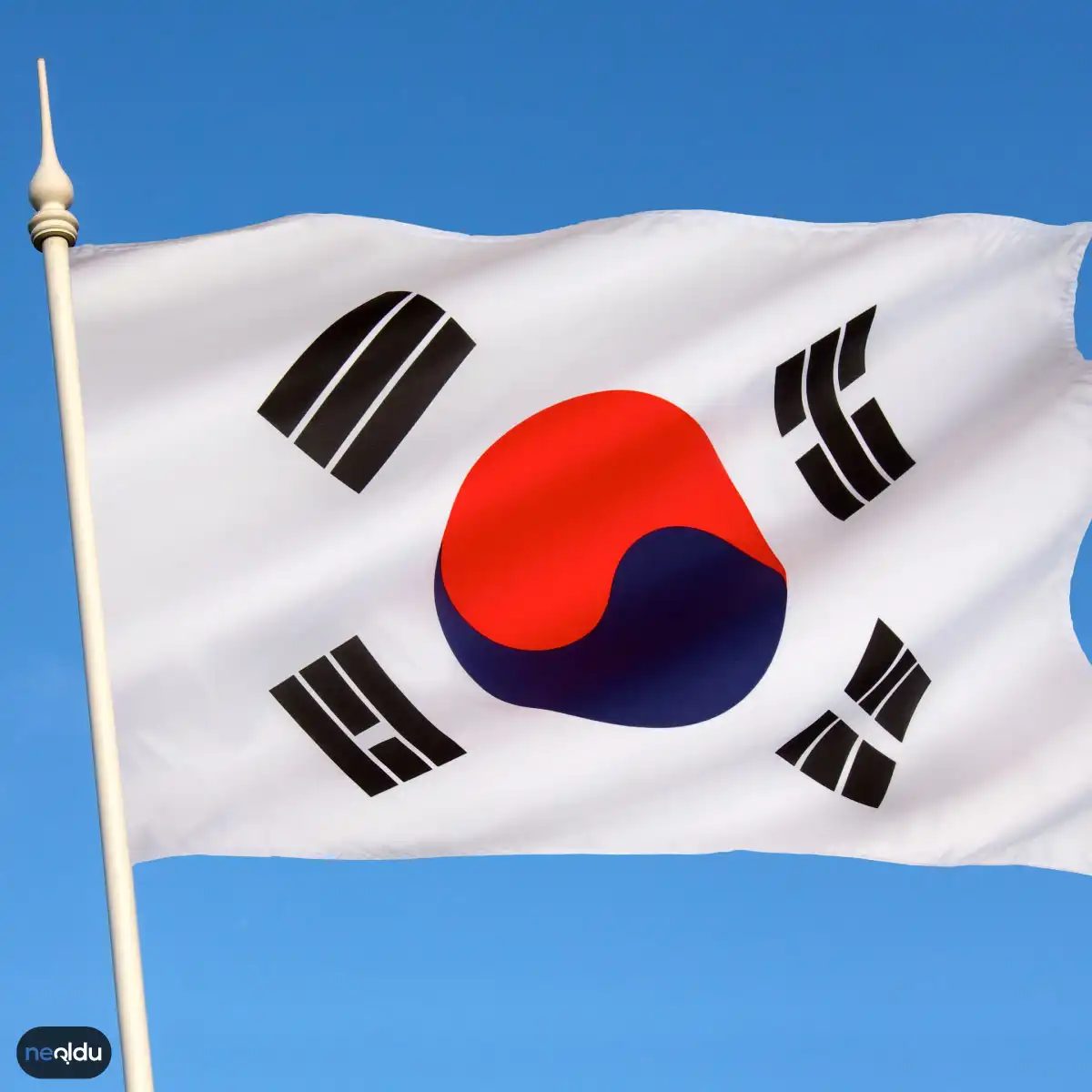
South Korea has taken a serious place at the top of the global innovation list. It’s not just about gadgets. The country has a high-tech economy driven by research and development. The Gross Domestic Product is about 1.820 trillion dollars. That number is huge, but the real story is where it comes from. You won’t find that in agriculture. It’s in the circuits.
The economy is heavily dependent on high-quality output. Think electronics. Automotive. Telecommunications. Semiconductor. These are not niche pursuits; They are the backbone of competitiveness. High-speed Internet infrastructure supports the entire structure. Mobile technology is not just an add-on; it is fundamental. Investments in scientific research pump fuel into this growth engine. It makes South Korea one of the most innovative economies in the world.
Who actually leads the world economy?
If you ask which country is ahead in terms of overall economic size, the answer is clear. It’s the United States. The US GDP dwarfs most others. The industrial base is solid. It sets the pace for the global market. When you talk about leadership, you don’t mean speed of innovation. They talk about sheer size and industrial power.
Which country is growing the fastest?
China is the one moving with serious velocity. It has become a rapidly growing economy in recent years. Why? Demographics and output. A huge population combined with intense production capacity creates a unique dynamic. Today, China is the world’s largest exporter. It doesn’t just grow; It’s dominating supply chains.
Where is the export powerhouse for tech?
Japan is often grouped with South Korea in technology, but its role is different. Japan is known for its technological breakthroughs. It is a leading electronics, automotive and telecommunications industry. This industrial strength places it among the top exporters globally. It’s a different model than Korea’s rapid iteration. Japan relies on precision and proven reliability.
Which European country has the largest economy?
Look north to Germany. It is the economic leader in Europe. Advantage? Industrial output. High-tech companies. Top-tier engineering. Germany doesn’t just build cars; it defines automotive engineering standards. This quality control and technical depth keep the company at the forefront of European financial performance.
Who leads in culture and tourism?
France punches above its weight in soft power. It is a leader in culture and tourism. But it is also an powerhouse in the luxury goods sector. Global brands. Art and fashion industry that dictates trends. These aren’t just pretty pictures. It is a strong economic position based on prestige and consumption. Luxury products have high margins and global demand.
Which economy is driven by young people?
India stands out here. Its economic strength is directly related to its young population. The number of young people is a big advantage. They represent work potential. This demographic dividend contributes significantly to economic growth. It increases production capacity. As the workforce increases, the economy has a built-in engine for future development.
The landscape of global finance is fractured. No country dominates all categories. South Korea wins in terms of innovation density. The US wins on total volume. China wins in export scale. Germany wins on industrial depth. France wins on brand value. India wins on demographic potential.
Money flows to where the advantage is greatest. When you know which country has which title, you can identify where the value is being created. It’s not about picking a winner. It’s about understanding the mechanics.