
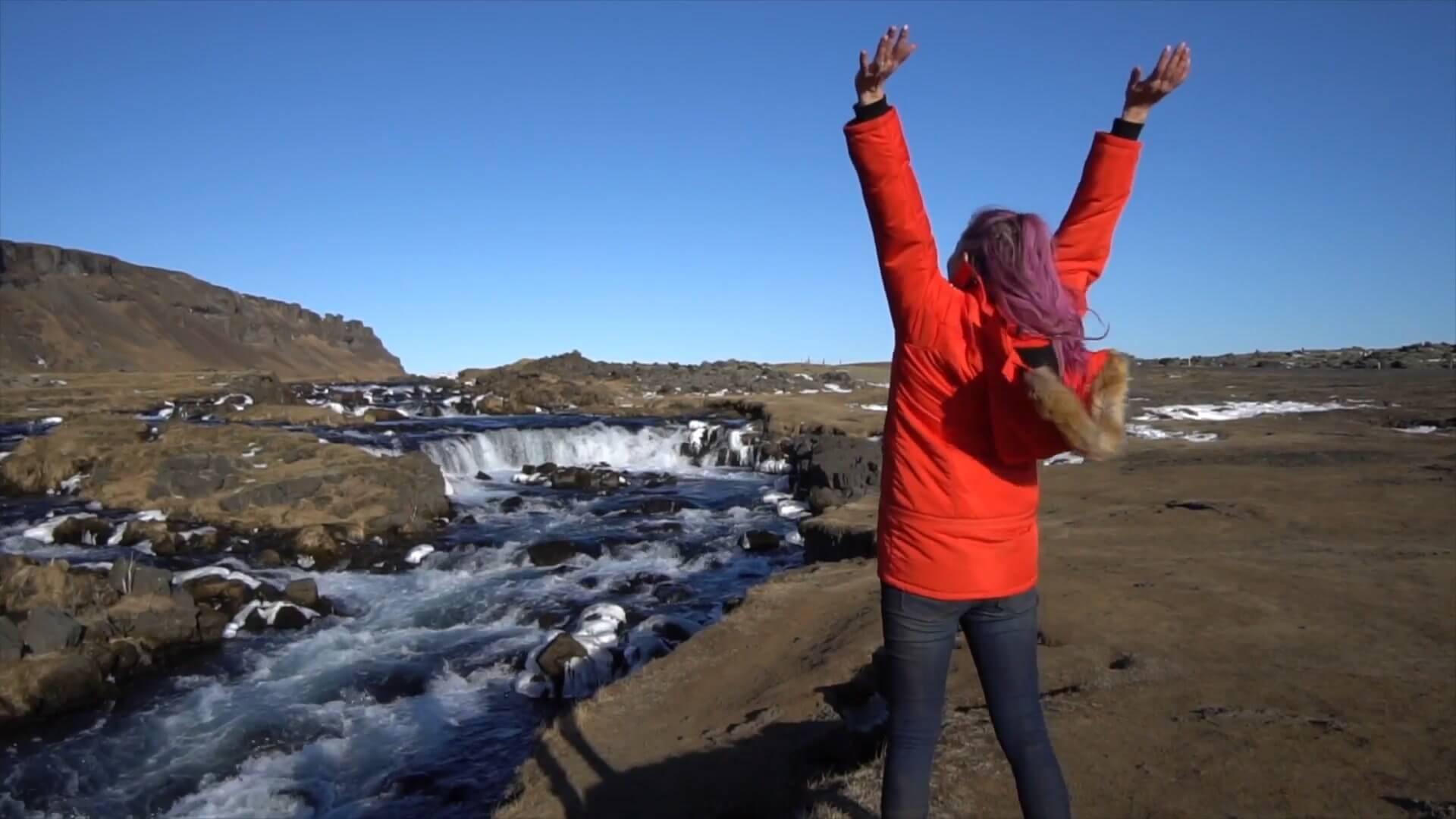
Social media sold us a dream.
The problem is the dream is expensive, crowded, and usually overrated. We chase the Instagram shot, ignore the locals priced out of their homes, and pay a premium to stand in line behind three thousand other people with identical phone cases.
Seven places in this original list get way too much hype. Equally stunning alternatives sit right next door. They are empty. They are affordable. Why aren’t we talking about them more?
Here are four swaps that make more sense.
The Faroe Islands vs Iceland
Iceland is broke you.
Between January and September 2025 alone, 1.8 million visitors showed up. Budget airlines like Play closed. Locals are getting crushed by Airbnb conversions, rents inflated to impossible heights. The government sees even more visitors coming in 2026 so they’re proposing higher taxes just to keep the place from falling apart.
Hotels are $200+ per night. Meals are $50-$70. Rental cars start at $100/day. You’re paying a premium to feel isolated in a crowd.
The Faroe Islands offer the same drama. The same moody weather, the same cliffs that look like they could snap you in half, the waterfalls that roar louder than your internal monologue.
But it’s quiet there.
Only 50,00 residents on these 18 islands. Few tourists. You get the landscape without the tour bus infrastructure. Flights from Copenhagen are around $300. From Reykjavik? About $200. Ferries from Denmark start at $120. Car rentals are similar to Iceland at $80-$90 a day, but hostels? Under $30 off-season. Subsidized ferries between islands can be $3.
They charge hiking fees now, yes. But public buses and ferries are cheap thanks to subsidies. You meet people instead of staff.
You won’t find Iceland’s polished experience. You find reality. Which is cheaper anyway.
Bacalar vs Tulum
Tulum isn’t dead, it’s just… exhausted.
Hotel occupancy dropped to 49.2 percent in September 2020 compared to 66.7 the previous year. Meanwhile Cancun and Bacalar sat above 65 percent. It’s not a lack of interest. It’s a lack of soul. The town overdeveloped until it choked itself.
Beach clubs that used to be open now charge $20 just to stand on sand. Boutique hotels push $500 a night. Traffic is a mess. Public beach access is limited. Environmental degradation is real. It went from backpacker haven to luxury trap in ten years.
Go to Bacalar.
It’s 100 miles south. Sits on the Lagoon of Seven Colors. Freshwater, crystal clear, actually shifts through seven shades of blue and green if the light is right.
The vibe is what Tulum had fifteen years ago. Laid back. Uncrowded.
Take the Tren Maya from Tulum. Costs $7 to $50. Or a three-hour bus. The town is walkable. Taxis are affordable. Food costs significantly less.
Guesthouses start around $40. Not $400. Restaurants serve meals for $15. Not $50. No massive all-inclusive resorts trying to lock you in a walled compound. Just sustainable tourism. Just a lagoon. Just you.
Zanzibar or Palawan vs Maldives
The Maldives is a gilded cage.
Overwater bungalows are iconic until you look at the price tag. All-inclusives run $333 to $600+ to $2000+ per night for the really insane stuff. Each resort owns its own island. You are trapped there. Limited food options. Limited activities.
Getting there costs a fortune in flights plus seaplane transfers. The country itself faces rising seas, coral bleaching, severe environmental threats. The beauty is real, sure. But the experience? Sterile. Artificial. Polished until nothing feels genuine.
Try Zanzibar instead.
It’s off the coast of Tanzania. Regular flights from Dar es Salaam offer beaches on north and east coasts that rival the Maldives for white sand and turquoise water but cost a fraction. Arabic architecture, spice plantations, Stone Town with its UNESCO-listed old city. Hotels range from $30-$300 for boutique stays. You eat local food. You walk in history.
Or go to Palawan in the Philippines.
El Nido’s limestone cliffs. Coron’s shipwrecks waiting to be explored underwater. Island hopping that feels adventurous, not packaged. Hotels cost $35 to $38 a night. The people are welcoming. The islands feel wild rather than managed.
Is paying two grand a night really worth feeling like a product?
Kuelap or ChoqueQUIRAO vs Machu PicChu
Machu PicChu is crowded. Expensive. Disney-level.
You need permits months in advance. Entrance is $160-$200 minimum. Then there’s Aguas Calientes below it, a town that exists almost solely to extract every last cent from tourists with inflated prices. Fly straight into Cusco? You’ll likely suffer altitude sickness while trying to breathe through the crowd noise.
The ruins are spectacular, of course. They always were. But you share them with thousands. Everyone is taking the same photo from the same spot. The experience is rushed, commercialized, time-boxed. You move like cattle through checkpoints.
Go to Kuelap in northern Peru.
Pre-Incan ruins built by the Chachapoya culture around 900AD. Situated on a mountain ridge around 15,050 feet. Massive stone walls. Circular buildings. Llama sculptures.
Cable cars get you up there now, which is convenient. Visitor numbers remain low. Explore without time limits. No crowds pushing you. The surrounding cloud forest offers waterfalls, hiking trails, traditional villages that actually live there, not just sell t-shirts.
Or take the hard road.
ChoqueQUIRao sits across the valley from Machu PICCHU but gets only a few thousand visitors a year versus million-plus elsewhere. It takes a minimum two-day trek. That’s the barrier. That keeps it minimal. The site covers more area than Machu PICCHu with extensive terraces and structures STILL being excavated by archaeologists.
No permits. No time limits. Just ruins. Just mountains. Just you and the dust.
Why settle for the postcard when you can have the landscape?
Most people won’t make the swap. They’ll book the easy flight, pay the markup, complain about the crowd, and call it an adventure.
Maybe the crowd IS the destination for some. But the rest of the world is waiting. It’s quieter there.