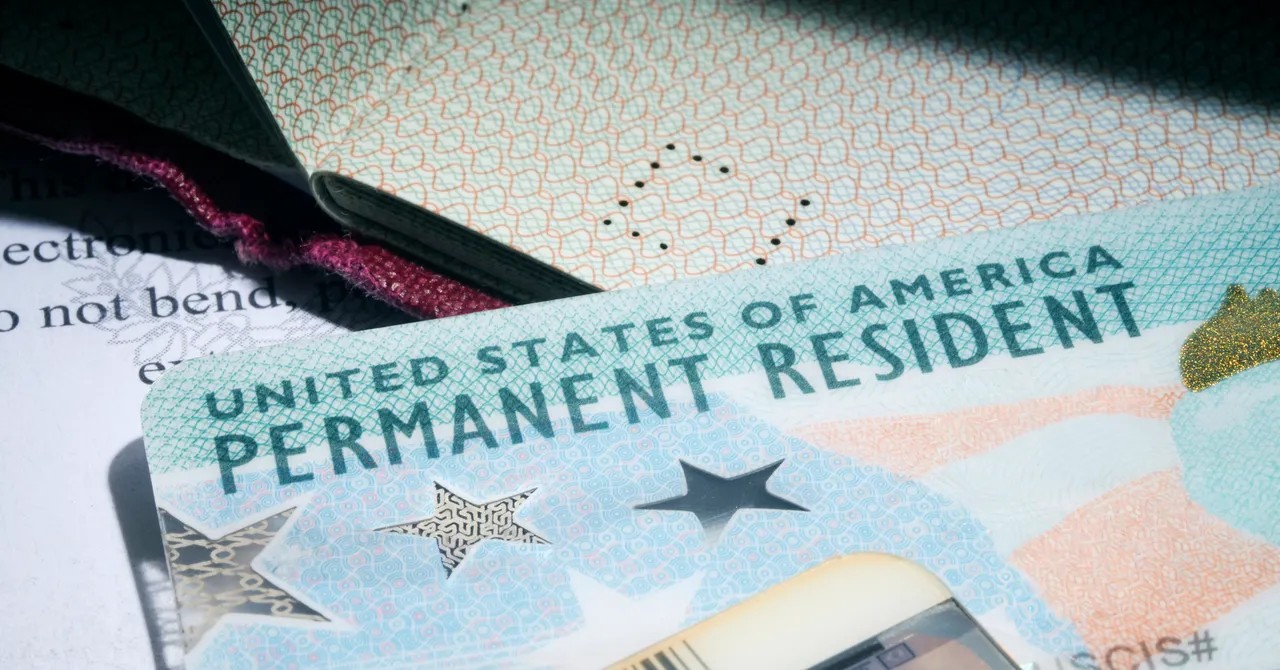
Maria went to her green card appointment. She thought she was following the rules. Instead, she was shoved into a cage. Then a van. Then a plane back to Mexico. All in under twenty-four hours.
Maria de Jesus Estrada Juarez has been in the US since she was fifteen. She arrived in 1998. Years later, she got DACA status, the policy meant to keep people like her from getting kicked out while they figure their legal lives out.
So she applied for a family-based green-card in 2025.
In Sacramento. At a government interview. Officers showed up. Handcuffs came out. They told her she was going to Tijuana. No time to call a lawyer. No time to pack. Just a bus ride through California hell, picking up more detained people at stops in Stockton, Bakersfield LA and finally San Ysidro before she got thrown across the border.
It was a blur. She has anxiety. Diabetes. Her medication, her Ozempic, her phone all seized. She only got them back at the border facility, after they turned her over to the Mexican authorities.
By the time she could text her daughter from a bathroom stall, the damage was done.
“Don’t call me back,” she wrote. “Just texting you real quick to say I’m OK and already in Mexico.”
That was Feb 19 around 8:30 AM. She’d been taken on Feb 18. The clock moves fast when the state decides to crush you.
The Machine is Broken
Maria isn’t alone. She’s one data point in a massive churn.
Since Trump took office, the goal has changed. Stephen Miller and Kristi Noem wanted 3,000 daily arrests. ICE hired 12,00 new agents. The instruction? Move people. Move them fast. Move them out of the country before anyone notices the legal flaws.
Even people with legal status. Even DACA recipients. Even folks showing up to help the process.
Immigration officers are sitting in courtrooms. Waiting at interview tables. Watching. Waiting for someone to stand up. Then they grab them.
Is it efficient? Sure.
Is it fair? Absolutely not.
Maria spent forty days in Mexico. A friend took her in in Tijuana so she didn’t have to sleep in a government shelter, but it’s a hard reality. Her life is in California. Her daughter is a US citizen. Maria works as an area manager for hotel chains. She earns money. She pays taxes.
She came home on March 31, after a federal judge finally stepped in and ruled her deportation unlawful.
The judge said she couldn’t do this. The government did it anyway for a month.
Life After the Border
Returning wasn’t a victory lap. It was a depression session.
Maria asked her daughter to pack up their house before she left. The plan was to stay gone. When Maria walked back into her apartment, it was full of boxes. Everything ready to move. A stark reminder of how close they came to losing it all.
Now? She’s behind on rent. She’s taking extra shifts. Working overtime just to keep the roof over her head. She’s the head of the household. The only earner.
She feels like she woke up from a bad dream but the house still smells like packing tape.
A judge called it unlawful. But does that fix the rent? Does that cure the trauma? Does it stop the next person from walking into their interview and walking out of their life?
“The fear of getting separated from my女儿 again is… really hard.”
She’s trying. She’s strong. But she’s scared.
Maria isn’t quitting. She wants that adjustment of status. She’s been here 27 years. Her community is here. Her daughter refuses to restart in a foreign land like her mom had to.
That part stays with her. She won’t let that happen.
But she’s back in the system now. Same buildings. Same rules. Same uncertainty hanging in the air.
She has to play their game again. Even after they cheated.
What do you do when the rules only work if they want them to?
You wait. You file. You hope they remember who holds the power this time.
Maria hopes it’s her.