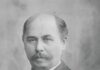
Thomas Malthus didn’t start as a famous economist. He started by publishing an anonymous essay in 1798. The book was simple in title but explosive in content. An Essay on the Principle of Population laid out a stark argument about human numbers and resources. It wasn’t just a one-off publication. Malthus spent years refining his thesis.
Between 1803 and 1826, he released subsequent editions of the essay. He didn’t just change his mind. He added factual material. He included more illustrations to support his claims. The goal was to make the argument harder to ignore. Each edition grew heavier with evidence.
But he didn’t stop there. Malthus wrote a variety of pamphlets and tracts. These were shorter works. They tackled specific angles of economics. They kept his ideas in the public conversation. Then came the big summary. Principles of Political Economy arrived in 1820. It was a book-length attempt to tie everything together.
Why does this sequence matter? Most people know the essay. Fewer know about the pamphlets. Even fewer read the 1820 summary. Yet each step shows Malthus’s commitment to his core idea. He was building a case. He wasn’t just reacting to the times. He was trying to predict the future of human societies.
The anonymous start was strategic. It allowed the ideas to stand on their own. Later, he attached his name. The expansions added weight. The pamphlets added breadth. The 1820 book added structure. It’s a story of intellectual evolution. Not all of it was accepted. Some of it was criticized. But the work remains a key piece of economic history.
Malthus’s legacy isn’t just about population. It’s about how we think about limits. How resources constrain growth. How societies adapt. His writings from 1798 to 1820 laid the groundwork for these discussions. They are still worth reading. Not because they are right. But because they force us to ask hard questions. About food. About land. About the future.