
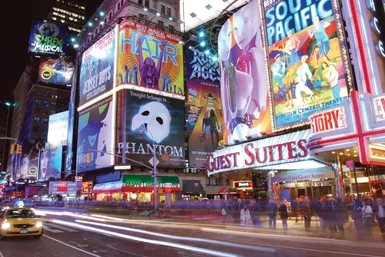
The image of Times Square is iconic, but the mechanics behind it are far older and more mechanical than the neon chaos suggests. At its core, a billboard is a specific type of advertising structure. It is built from wood, metal, paper, or various durable materials. These structures sit outdoors along roads, on buildings, and in public spaces. Their job is to catch your eye.
Before the 19th century, advertisers just nailed bills to walls and fences. Competition for space changed that. Advertisers needed their own structures. They built them. This shift marked the early evolution of the modern billboard.
Then came the automobile.
The invention of the car and the improvement of highway systems transformed outdoor advertising. Billboards became a tool for high-volume exposure. They moved from static wall ads to dynamic roadside markers.
Standardized Dimensions and Segmenting
Outdoor advertising companies own these structures and lease them out. There is a fairly standardized poster panel area. It is usually 12 feet high by 25 feet wide. That is 3.7 metres by 7.6 metres.
The advertisement itself is mounted and centred on this panel. It is not printed as one single image. It is broken down into 10 to 14 segments. This segmentation is functional. It makes installation and repair easier.
The goal is simple: capture fleeting attention. Motorists are moving fast. The message has to be brief. Graphics often highlight a simple illustration of the product. Text is kept to a minimum.
Visual Effects and Attention
Advertisers use a variety of visual effects to stand out. You might see cut-out letters. Some graphics extend beyond the billboard frame. Special lighting techniques are used for night visibility.
There are even moving messages. These are less common today due to maintenance and safety concerns, but they exist.
The trade-off is clear. You pay for high-volume exposure. You get seconds of attention. The design must reflect that constraint.