
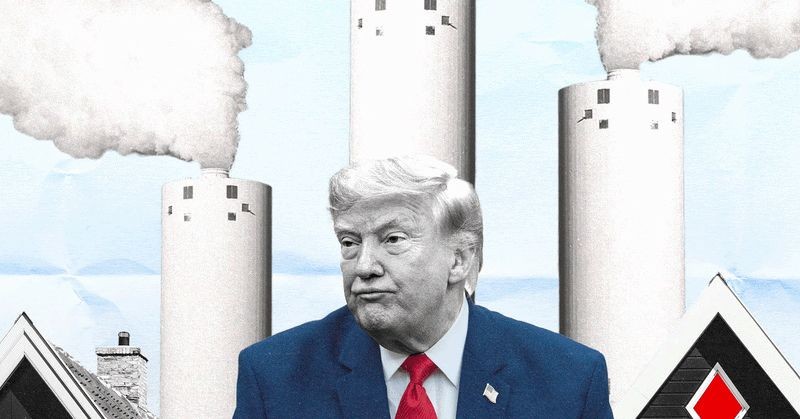
The Trump administration is moving to shift power. Specifically, it wants to change how the public gets involved in permitting decisions for polluters.
The goal is simple, according to the EPA. Hand the reins to the states. Let local officials decide when—and if—they notify residents about new facilities. This includes certain gas plants. Diesel generators are also on the list. These machines often power data centers. The kicker? Little to no notice might be given to the public.
Shifting the Burden to State Agencies
On Wednesday, the EPA held a public hearing. The topic: a proposed rule change. This change would allow states to control public participation in the permitting process for specific new air pollution sources.
The timing is telling. Data centers are facing pushback nationwide. Communities are using permitting laws to slow development. Rolling back these rules removes a tool used by locals. It alters how ordinary people are notified about facilities coming to their neighborhoods.
Vanessa Lynch knows this. She is an organizer with Moms Clean Air Force in Pennsylvania.
“As someone actively working in communities with datacenters, I know this to be fundamentally true: People want to have a say.”
Her point is basic. Communities want input. The proposed rule threatens that input.
The Loophole of “Minor” Permits
Facilities releasing air pollution need permits. This is mandated by the Clean Air Act. There are two paths: major or minor.
Major sources face strict review. Federal and state regulators scrutinize them. There are extensive requirements before construction starts and after.
Minor sources are different. Oversight is lighter. The definition of a “minor” source is incredibly broad. It covers dry cleaners. Auto body shops. Diesel and gas engines.
The latter two are booming. They power data centers. Companies like xAI and Meta use minor source permits. They build behind-the-meter gas plants to keep power on-site.
Congress specified public steps for major sources. Public hearings. Extensive engagement.
For minor sources, EPA rules do require some public participation. But here is the problem. State enforcement laws vary. They are a patchwork. Whether agencies comply with EPA requirements changes depending on where you live.
What Changes Under the New Rule
If finalized, the impact is significant. An EPA spokesperson told WIRED the change would let state and local agencies lead.
It would put those closest to the issues in the driver’s seat. They would decide:
- If public participation is allowed.
- When it happens.
- How long it lasts.
The rule does not change emissions standards. It only changes the process of getting there.
This creates a disparity. Some states are stricter than others.
Keri Powell is an attorney with the Southern Environmental Law Center in Atlanta. Her group takes on cases in states with robust processes. Georgia, for instance.
“Georgia is an example of a place where [I] am concerned.”
Her group recently alerted a utility about construction at a data center. They did it using information from public air permit applications.
But remove the federal baseline. What happens then?
Community groups might get no heads-up. They could be shut out entirely. Review and participation become optional, not mandatory.
State Responses
Georgia’s Environmental Protection Division is watching closely. Sara Lips, director of communications, stated the agency is determining if the federal changes affect their current regulations.
Kentucky is different. Byron Gary is a senior attorney with the Kentucky Resources Council. He says state agencies have made an “informal commitment” behind the scenes. They plan to keep public participation rules the same. Even if EPA changes its stance.
But informal commitments are fragile.
“Who knows,” Gary says, “if the next administration would actually change it?”
The risk is real. Rules can be rewritten. Protections can be erased. Residents may wake up to new industrial sites without ever seeing a permit notice.
The data center boom is accelerating. Texas is seeing thousands of new fossil-fuel sources fire up quietly. New York just signed its first statewide moratorium. The tension is escalating.
If this rule passes, the fight moves from federal court to state capitols. It becomes a battle over transparency. Who gets to speak? And who gets to listen?