The diarrhea is spreading. It’s cyclospora. Cases are climbing across the US and former CDC staff say the government is too bare to fight back properly.
Last year things changed. Fast.
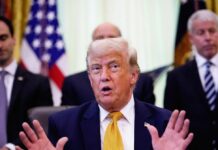
President Trump’s Department of Government Efficiency slashed through federal ranks. At the CDC lab dedicated to this specific parasite the headcount plummeted from 11 employees to just three. Joel Barratt led that team until September. Now an assistant professor at Emory he sees the math clearly. Fewer bodies means slower responses. Cyclospora is bad but it’s only the visible tip of the iceberg. Other pathogens linger in the shadows. More dangerous ones.
“I couldn’t do right by public health,” Barratt said.
He walked away voluntarily. Not because he wanted to leave the agency but because he stayed for eight years and watched it turn into a hostile work environment under Robert F. Kennedy Jr’s leadership at HHS. He remembers sitting people down in his office. Telling them their jobs were gone due to hiring freezes. It wasn’t his decision to make. He was just the messenger.
WIRED reported earlier this month that the entire CDC workforce shrank by roughly 3,000 people. That’s about a quarter of the agency. Since January 2025 the cuts include outright layoffs and buyouts accepted under the new administration. The number comes from the American Federation of Government Employees who represent the workers. Nature broke the specific news about the parasite lab first.
An HHS spokesperson didn’t answer our calls.
Right now nearly 7,000 Americans have gotten sick with cyclosporia. Experts think that number is wrong. Too low. Michigan alone has confirmed over 4,300 cases by Thursday.
The agency is drowning in other crises too. Ebola in the DRC. Measles here. E. Coli in frozen blueberries. Botulism in powdered formula. Salmonella everywhere. All while trying to pin down where this latest wave started. Taylor Farms lettuce looks suspicious. Sources told The Washington Post the CDC is chasing that lead.
Amira Roess taught at George Mason and once served in the CDC epidemic intelligence service. She notes the system was already shaky before 2025 arrived. Public health surveillance was weak. Food safety systems were even weaker.
“We know what to do but if we don’t have personnel a lot of it can’t be done.”
Finding the source is tricky. Cyclospora has a long incubation period. People eat something tainted. A week or two passes before symptoms hit. Then they wait another few days before seeking care if they seek it at all. By the time a stool sample arrives the trail is cold.
State labs send positive samples to the CDC. The state health department interviews the patient. What did they eat two weeks ago? That data goes to Washington alongside the genetic results from the parasite DNA. Epidemiologists look for patterns. Clusters. Geographic overlaps. Common exposures.
It’s a well-oiled machine on paper. The techniques exist. The protocols are written. The science works.
But machines don’t run on paper. They run on people.
There are three of them left in that lab. Three scientists against thousands of sick patients.
How long before the next strain slips through the cracks?
Nobody knows.